
Understanding Local Regulations for Warehouse Construction in Australia


Introduction to Warehouse Construction Regulations
When planning to construct a warehouse in Australia, it's essential to understand the local regulations that govern such projects. These regulations ensure that warehouses are built safely, sustainably, and in compliance with national standards. Whether you're a developer or a business owner, knowing these rules can save you time and money.
Local regulations can vary significantly between states and territories, so it's crucial to research the specific requirements in your area. This blog post will guide you through the key considerations and steps involved in navigating these regulations effectively.
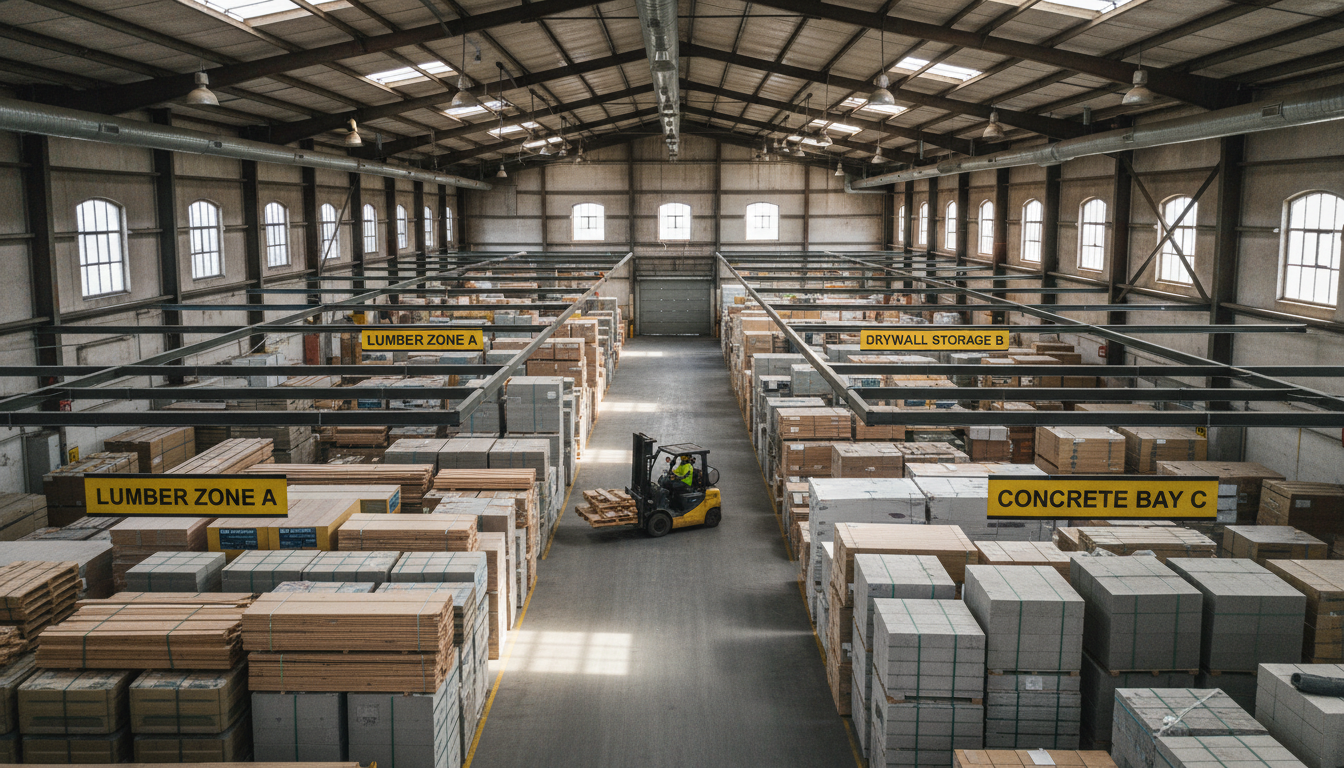
Understanding Zoning Laws
Zoning laws are fundamental in determining where you can build your warehouse. These laws dictate the types of buildings that can exist in specific areas and are designed to ensure that land use is compatible with local planning objectives. Before purchasing land, verify its zoning classification and any restrictions that may apply.
Consult with local councils to understand the zoning requirements and any potential need for rezoning. This step is crucial as non-compliance can lead to significant penalties or project delays.
Permits and Approvals
Obtaining the necessary permits and approvals is a critical step in the construction process. This usually involves submitting detailed plans and specifications to the local council or a relevant authority. The approval process can take time, so it's advisable to factor this into your project timeline.
- Building Permits
- Environmental Approvals
- Fire Safety Compliance

Environmental Considerations
Environmental regulations play a significant role in warehouse construction. These rules are designed to minimize the environmental impact of new developments. You may be required to conduct environmental assessments or implement specific practices to manage waste and reduce emissions.
Additionally, consider the impact on local wildlife and vegetation. Engaging with environmental consultants can help ensure that your project meets all necessary environmental standards.
Safety Standards and Building Codes
Compliance with safety standards and building codes is non-negotiable in warehouse construction. These standards ensure that the building is safe for workers and the public. In Australia, the National Construction Code (NCC) provides a comprehensive set of guidelines that must be adhered to.
Key areas to focus on include structural integrity, fire safety, and accessibility. Engaging with qualified engineers and architects can help ensure compliance with these codes.

Conclusion
Understanding local regulations for warehouse construction in Australia is a complex but essential aspect of the development process. By familiarizing yourself with zoning laws, obtaining necessary permits, considering environmental impacts, and adhering to safety standards, you can ensure a smooth construction process.
Engage with professionals and local authorities early in your planning to navigate these regulations effectively. With the right approach, your warehouse project can be both compliant and successful.