
Understanding Local Regulations: A Guide for Australian Construction Projects


Understanding Local Regulations in Australian Construction
Embarking on a construction project in Australia involves navigating a complex landscape of local regulations. These rules are essential to ensure safety, environmental protection, and community well-being. Understanding these regulations is crucial for anyone looking to undertake a successful construction project.
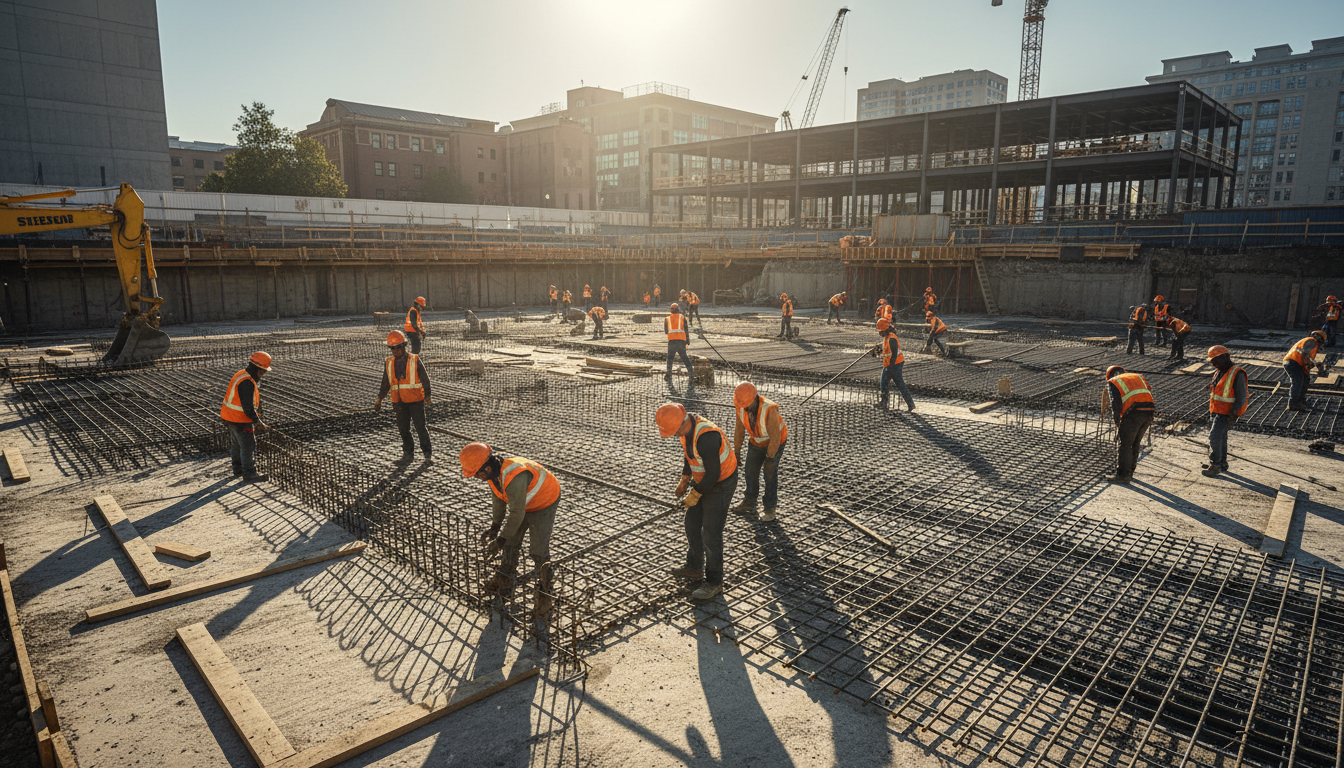
The Importance of Compliance
Compliance with local regulations is not just a legal requirement but a fundamental step in safeguarding your project. Failing to adhere to these rules can result in fines, project delays, and even legal action. Therefore, understanding and implementing these regulations from the start is imperative.
Each state and territory in Australia may have different requirements, so it's important to be familiar with the specific regulations applicable to your location. These rules can cover everything from environmental impact assessments to building codes and safety standards.
Key Regulatory Bodies
Several key regulatory bodies oversee construction projects in Australia. At the national level, the Australian Building and Construction Commission (ABCC) plays a significant role in ensuring compliance with building industry standards. Additionally, each state and territory has its own regulatory agencies.
For example, in New South Wales, the Department of Planning and Environment is responsible for overseeing construction projects, while in Victoria, the Victorian Building Authority (VBA) handles similar duties. Engaging with these bodies early in your project can provide valuable guidance and support.

Understanding Permits and Approvals
Securing the necessary permits and approvals is a critical step in the construction process. This can include planning permits, building permits, and environmental approvals. The specific permits required will depend on the nature and scope of your project.
It's advisable to consult with local councils and planning authorities to determine the specific requirements for your project. Engaging with professionals such as architects and surveyors can also help streamline this process, ensuring that all necessary documentation is in place.
Environmental Considerations
Environmental regulations play a significant role in Australian construction projects. Protecting Australia's unique ecosystems is a priority, and construction projects must comply with environmental protection laws. This includes managing waste, reducing emissions, and protecting local flora and fauna.

Conducting an environmental impact assessment (EIA) is often required to identify potential environmental risks and outline mitigation strategies. This assessment ensures that your project aligns with sustainability goals and preserves the natural environment.
Safety Standards and Requirements
Safety is paramount in any construction project. Australian construction sites must adhere to strict safety standards to protect workers and the public. This includes implementing safety protocols, providing necessary training, and ensuring that equipment is well-maintained and used correctly.
The Work Health and Safety (WHS) laws provide a framework for safeguarding health and safety in the workplace. Compliance with these laws not only protects individuals but also enhances the overall efficiency and reputation of your project.

In conclusion, understanding and complying with local regulations is a fundamental aspect of any construction project in Australia. By prioritizing compliance, engaging with regulatory bodies, and considering environmental and safety standards, you can ensure a successful and legally sound construction process. Taking these steps will help you navigate the complexities of local regulations and contribute to the sustainable development of your project.