
Top Trends in Australian Industrial Warehouse Design


Introduction to Australian Industrial Warehouse Design
In recent years, the landscape of industrial warehouse design in Australia has evolved significantly. This transformation is driven by technological advancements, environmental considerations, and the ever-changing needs of businesses. As companies seek to optimize their supply chains, the design of warehouses plays a crucial role in ensuring efficiency and sustainability.
Understanding the latest trends in warehouse design can help businesses stay ahead of the curve. Let's explore some of the top trends shaping the future of industrial warehouses in Australia.
Emphasis on Sustainability
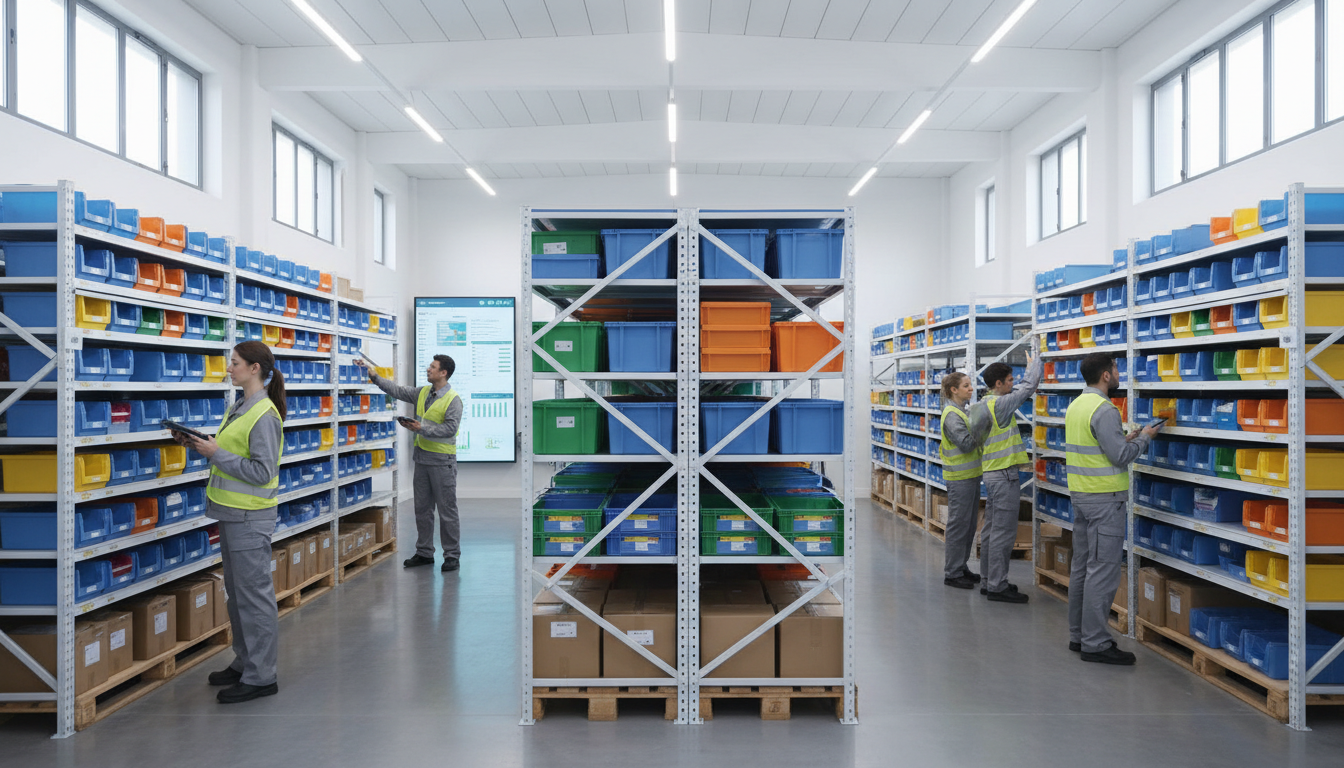
One of the most prominent trends in warehouse design is the focus on sustainability. Developers are increasingly prioritizing eco-friendly materials and energy-efficient systems. This includes the use of solar panels, LED lighting, and advanced insulation techniques to reduce energy consumption.
Moreover, rainwater harvesting systems and sustainable landscaping are becoming standard features in new warehouse designs. These initiatives not only help in reducing environmental impact but also result in significant cost savings over time.
Energy-Efficient Technologies
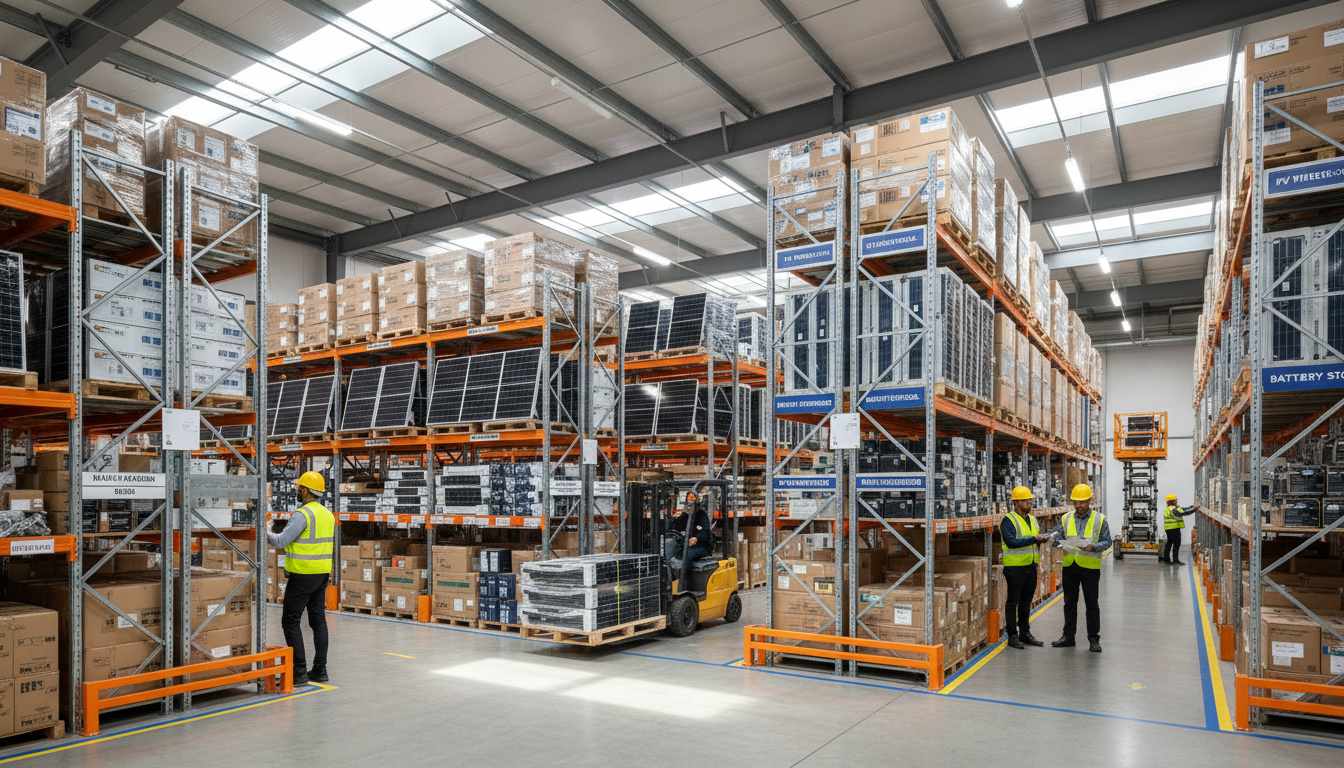
The integration of energy-efficient technologies is a critical component of sustainable design. Smart lighting systems that adjust based on occupancy and natural light, along with high-efficiency HVAC systems, are becoming commonplace in modern warehouses. These technologies enhance environmental performance while reducing operational costs.
Automation and Smart Warehousing
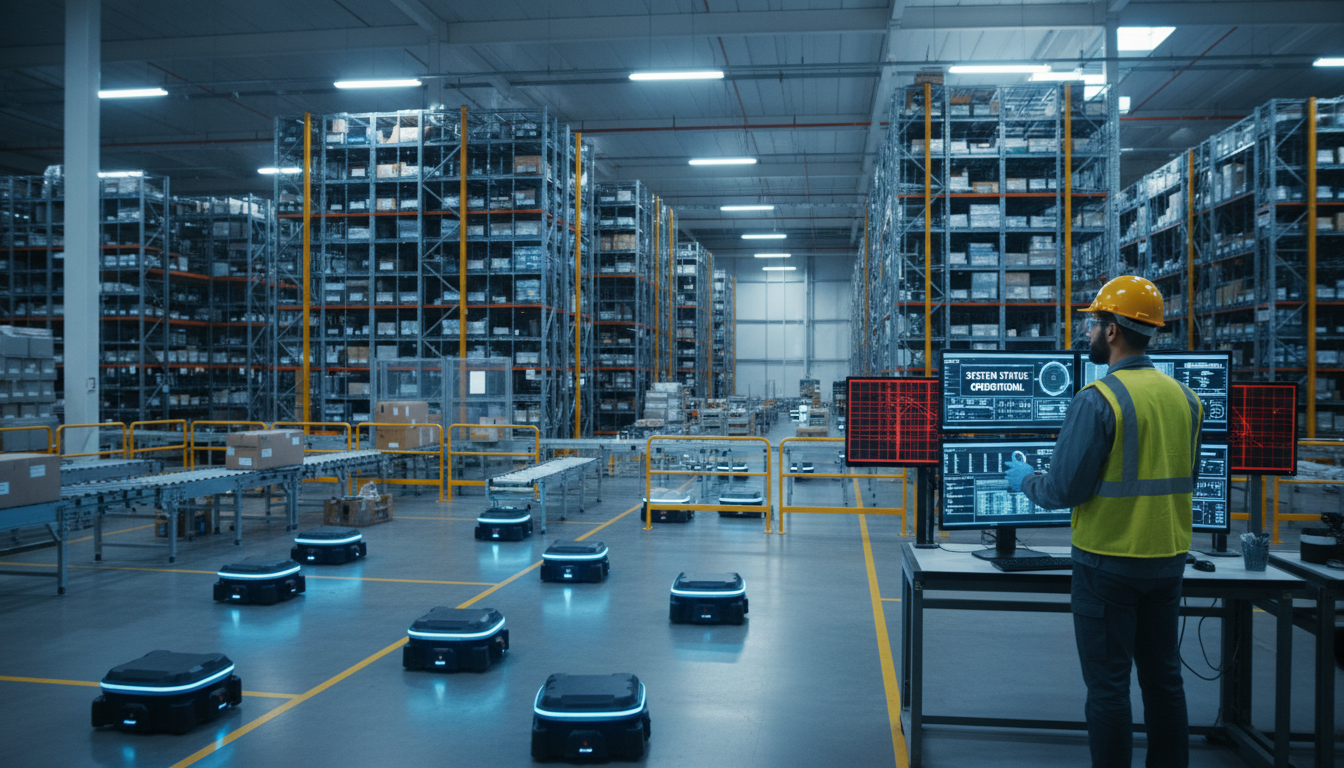
Automation is revolutionizing the way warehouses operate. The adoption of automated systems, such as robotic picking and packing, is increasing efficiency and accuracy. These systems are particularly beneficial in handling high-volume tasks, allowing human workers to focus on more complex activities.
Additionally, smart warehousing technologies, including IoT devices and AI-driven analytics, provide real-time insights into inventory management and operations. This data-driven approach enables businesses to optimize their supply chain processes effectively.
Flexible and Modular Designs
As the needs of businesses change, flexibility in warehouse design has become essential. Modular designs allow for easy reconfiguration of spaces to accommodate new technologies or changing inventory requirements. This adaptability ensures that warehouses can evolve alongside business growth.
Furthermore, flexible spaces can support a variety of activities within the same facility, from storage and distribution to light manufacturing and assembly, enhancing the overall utility of the warehouse.
Enhanced Safety and Security Measures
Safety and security are paramount in warehouse design. Modern warehouses are equipped with advanced surveillance systems, fire suppression technologies, and automated safety protocols to protect both personnel and inventory.
Design features such as wide aisles, clear signage, and ergonomic workstations contribute to a safer working environment. These enhancements not only prevent accidents but also improve employee productivity and satisfaction.
Conclusion
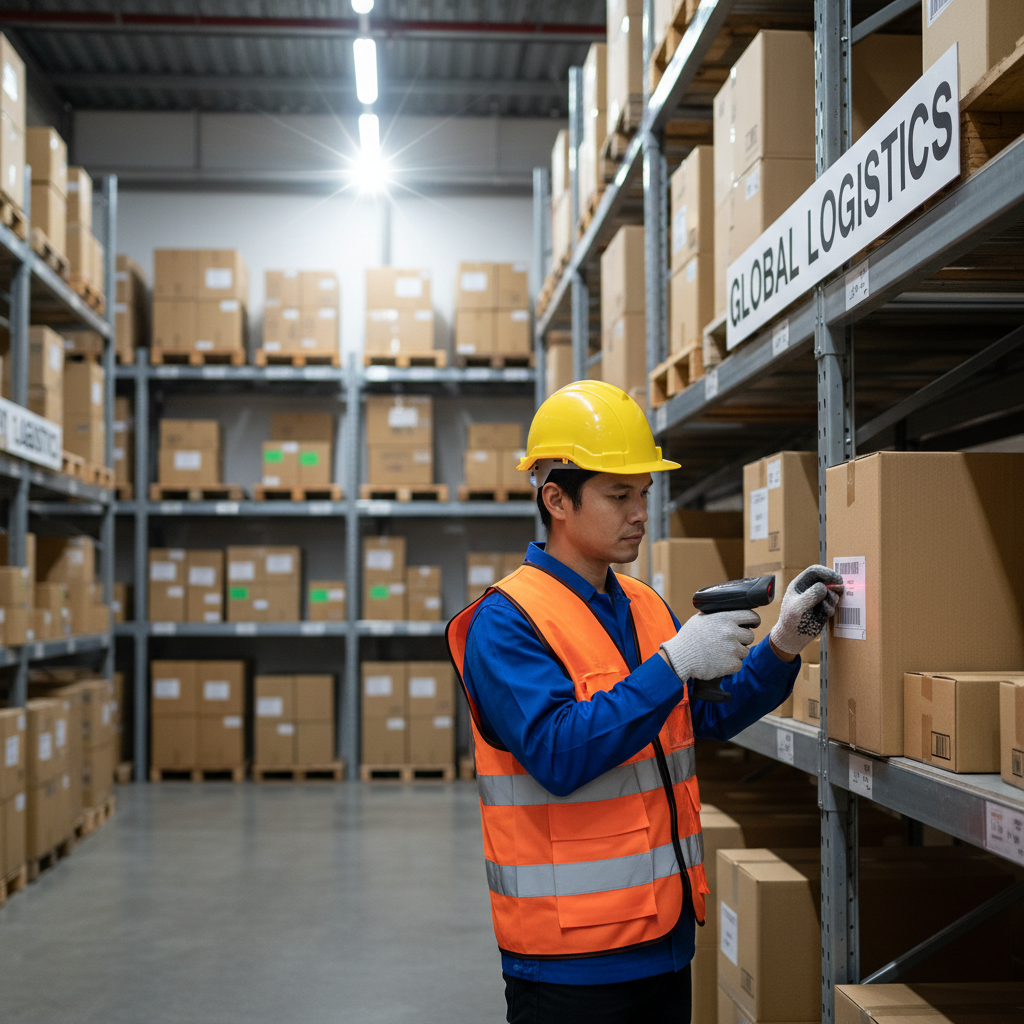
The trends in Australian industrial warehouse design reflect a commitment to sustainability, efficiency, and adaptability. By embracing these innovations, businesses can create spaces that are not only functional but also future-ready.
Staying informed about these trends is essential for companies looking to optimize their operations and maintain a competitive edge in the rapidly changing industrial landscape.