
Top Construction Trends Impacting Australian Warehouses


Embracing Sustainability in Warehouse Construction
As the world shifts toward more sustainable practices, the construction industry in Australia is no exception. One of the most significant trends impacting warehouses is the integration of eco-friendly materials and energy-efficient designs. Builders are increasingly using recycled steel and concrete, which not only reduce environmental impact but also offer durability.
Moreover, warehouses are now being equipped with solar panels, reducing reliance on non-renewable energy sources. This shift not only aligns with global environmental goals but also offers long-term cost savings on energy bills. By embracing these sustainable practices, Australian warehouses are setting a precedent for future construction projects.
Adoption of Smart Technology
The integration of smart technology in warehouses is revolutionizing the way these spaces operate. Advanced systems for inventory management, such as automated sorting and tracking, are becoming standard. These technologies enhance efficiency and accuracy, reducing human error and increasing productivity.
In addition to inventory management, smart climate control systems are being utilized to maintain optimal temperatures, ensuring the integrity of stored goods. This technological advancement is crucial for industries that rely on the storage of perishable items.

Modular Construction Techniques
Modular construction is gaining popularity in the Australian warehouse sector due to its efficiency and cost-effectiveness. This method involves constructing parts of the building off-site and then assembling them on location. The benefits include reduced construction time and minimized on-site waste.
This technique is particularly advantageous for warehouses as it allows for scalability, enabling businesses to expand their facilities quickly as their needs grow. The flexibility of modular construction ensures that warehouses can adapt to changing market demands efficiently.
Focus on Safety and Compliance
Safety remains a top priority in warehouse construction. Recent trends emphasize the incorporation of advanced safety features, such as improved fire suppression systems and enhanced structural integrity. Compliance with safety regulations is becoming more stringent, ensuring the protection of both workers and goods.
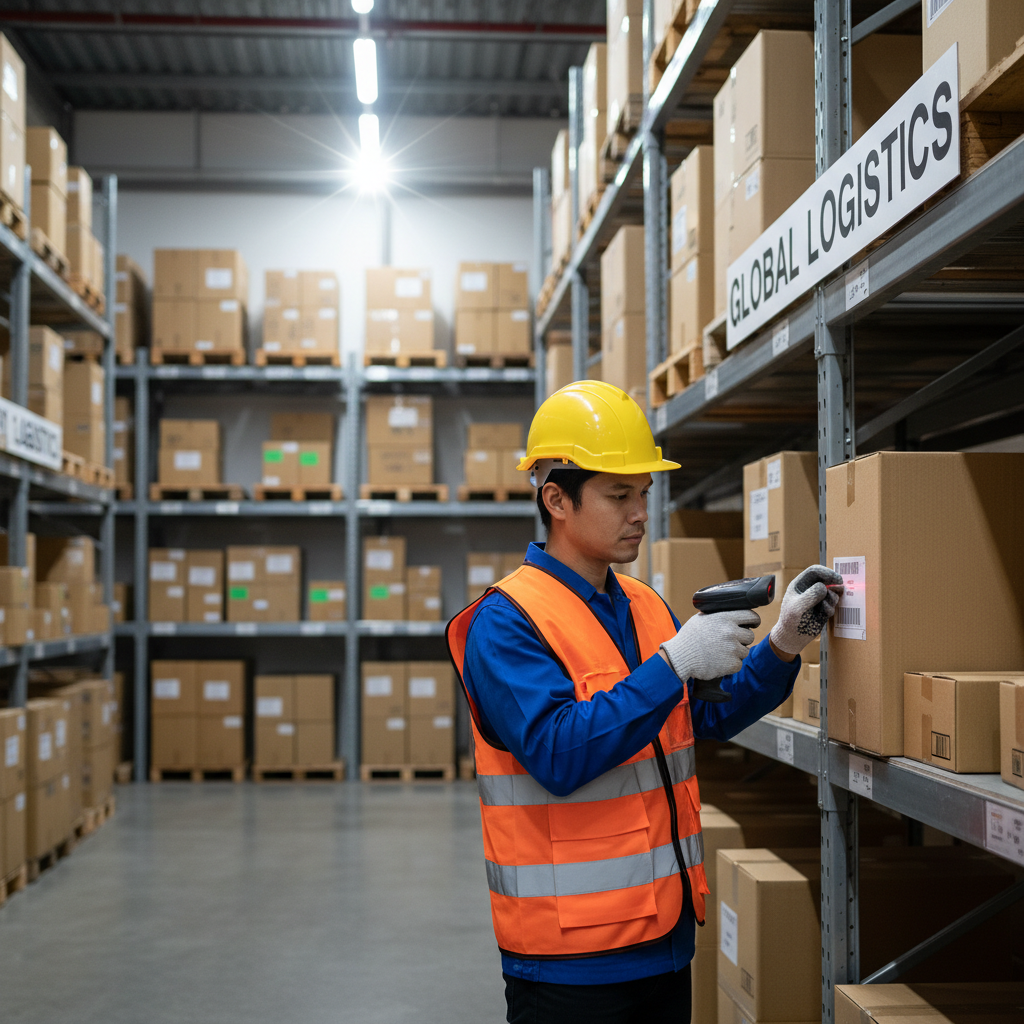
Additionally, the implementation of automation reduces the risk of workplace accidents by minimizing human involvement in potentially hazardous tasks. By prioritizing safety, Australian warehouses are creating more secure environments for all stakeholders involved.
Designing for Flexibility
Flexibility in design is a crucial trend impacting warehouse construction. With the ever-changing landscape of global commerce, warehouses must be able to adapt quickly. This involves designing spaces that can be easily reconfigured to meet varying storage and operational needs.
Features such as adjustable shelving and movable walls allow for dynamic use of space. This adaptability ensures that warehouses can efficiently handle fluctuations in demand, providing a competitive edge in a rapidly evolving market.