
Seasonal Preparation for Industrial Warehouses: Tips for Efficiency


As the seasons change, industrial warehouses must adapt to ensure efficiency and safety. Proper seasonal preparation can significantly enhance operations and reduce unexpected disruptions. This guide provides essential tips for preparing your warehouse for different seasons.
Inspect and Maintain Equipment
Regular maintenance of equipment is crucial to prevent breakdowns, especially during extreme weather conditions. Conduct thorough inspections of machinery, forklifts, and other essential tools. Look for signs of wear and tear, and schedule repairs as needed. This proactive approach helps avoid costly downtime.
Additionally, ensure that all equipment is stored properly when not in use. This is particularly important in colder months when machinery is more susceptible to damage from freezing temperatures.

Update Safety Protocols
Seasonal changes can introduce new safety challenges. For instance, wet or icy floors can increase the risk of slips and falls. It's important to update safety protocols to address these hazards. Implement measures such as placing non-slip mats in high-traffic areas and ensuring proper drainage to prevent water accumulation.
Conduct regular safety training sessions to keep employees informed about potential risks and the correct procedures to mitigate them. This ensures that everyone is prepared and aware of their responsibilities.
Optimize Warehouse Layout
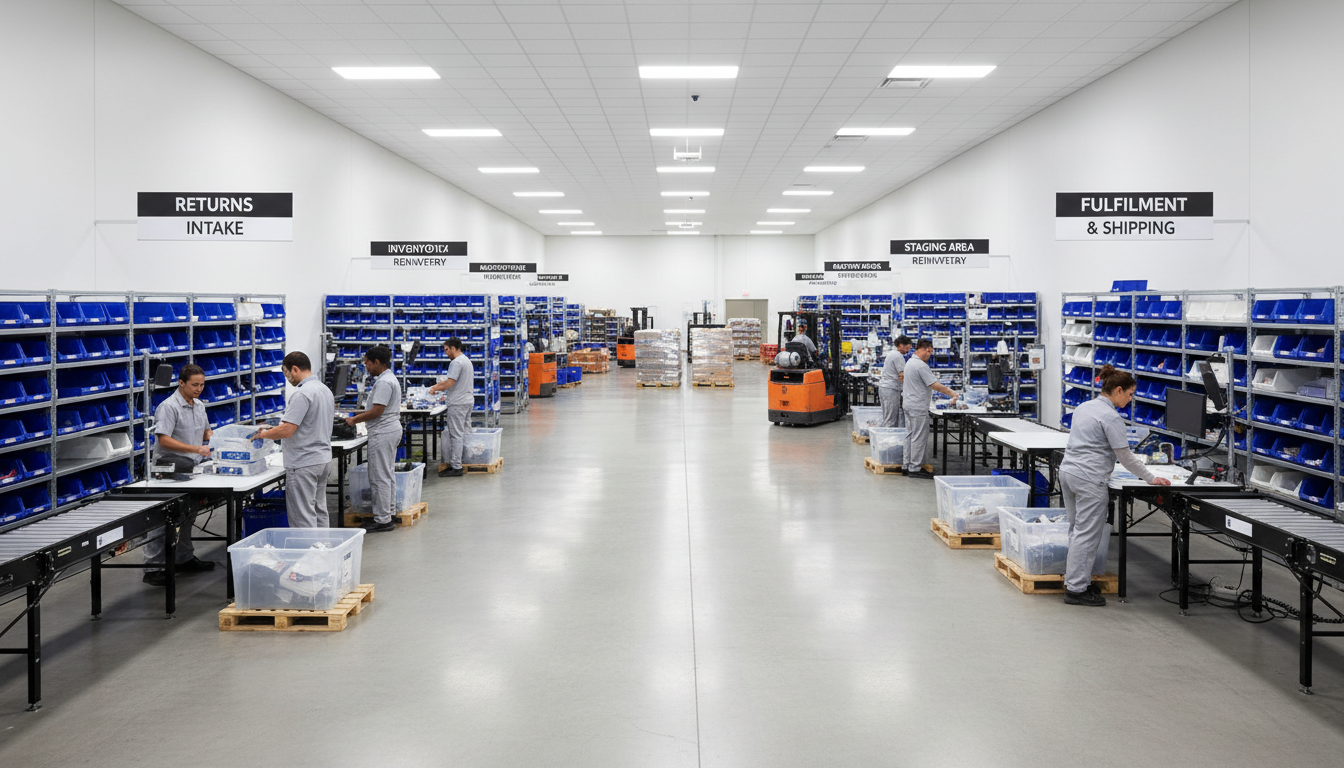
Changing seasons may necessitate a reorganization of your warehouse layout. For example, consider moving frequently accessed items closer to the entrance during peak seasons to streamline operations. This can save time and reduce congestion in the warehouse.
Check and Improve Insulation
Proper insulation is vital for maintaining a consistent internal temperature, which is essential for both employee comfort and the preservation of temperature-sensitive goods. Inspect the warehouse for drafts and seal any gaps in windows, doors, and walls.
Consider upgrading insulation materials to improve energy efficiency. This can lead to significant cost savings on heating and cooling bills over time.
Inventory Management
Seasonal fluctuations can affect inventory levels and demand. It's important to adjust your inventory management strategies accordingly. Use data analytics to forecast demand and optimize stock levels. This prevents overstocking or stockouts, ensuring a smooth supply chain.

Enhance Lighting Systems
As daylight hours decrease in the winter months, adequate lighting becomes even more critical. Ensure that your warehouse is well-lit to maintain productivity and safety. Upgrade to LED lighting for improved visibility and energy efficiency.
Consider installing motion sensors to automatically turn lights on or off, reducing energy consumption when areas are not in use.
Regularly Review Procedures
Finally, regularly review and update all warehouse procedures to align with seasonal changes. This includes everything from emergency protocols to daily operational checklists. By staying proactive, you can ensure that your warehouse remains efficient and prepared for any seasonal challenges.
By implementing these strategies, your industrial warehouse can maintain optimal performance throughout the year, adapting smoothly to the challenges each season presents.