
Maximizing Efficiency in Industrial Warehouse Construction: A Comprehensive Guide


Understanding the Basics of Industrial Warehouse Construction
Industrial warehouse construction is a complex process that involves various stages, each requiring meticulous planning and execution. Understanding these fundamental steps is crucial for maximizing efficiency and ensuring the project stays on time and within budget. Key components include site selection, design planning, and material procurement.
Choosing the right location is vital as it impacts logistics, accessibility, and overall operational efficiency. Design planning must focus on optimizing space utilization, energy efficiency, and safety standards. Materials should be sourced from reliable suppliers to avoid delays and ensure quality construction.

Site Selection and Preparation
Site selection is a critical decision that can significantly affect construction timelines and costs. It's essential to consider factors such as proximity to transportation hubs, zoning regulations, and soil quality. Conducting thorough site assessments and environmental studies can prevent unexpected challenges later in the construction process.
Once the site is selected, preparation begins with clearing the land and ensuring it is suitable for building. This phase may involve grading the land, installing drainage systems, and setting up temporary facilities for workers. Proper site preparation lays the foundation for a smooth construction process.

Efficient Design and Planning
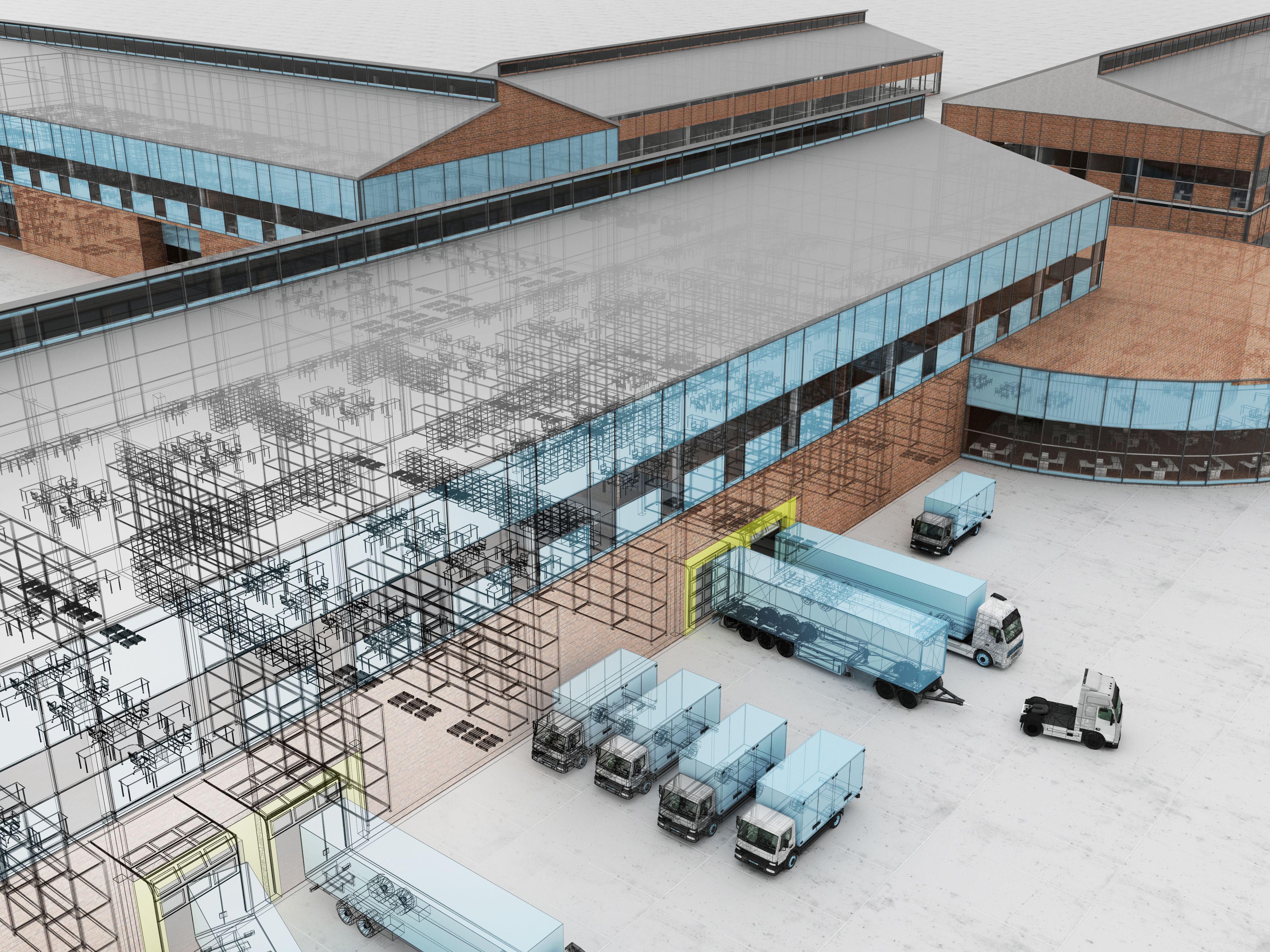
Designing an industrial warehouse requires a balance between functionality and cost-effectiveness. Involving architects and engineers early in the process helps create a design that meets operational needs while staying within budget constraints. Utilizing modern design software can enhance precision and facilitate better visualization of the final structure.
Energy efficiency should be a priority in the design phase. Incorporating features such as natural lighting, advanced insulation, and energy-efficient HVAC systems can lead to significant cost savings over the warehouse's lifespan. Additionally, ensuring compliance with safety regulations and standards protects workers and reduces liability risks.
Streamlining the Construction Process
To maximize efficiency during construction, it's essential to implement effective project management strategies. This includes setting clear timelines, assigning responsibilities, and maintaining open communication among all parties involved. Utilizing technology such as project management software can help track progress and identify potential bottlenecks.
Prefabrication is another method to enhance efficiency. By assembling components off-site and delivering them ready for installation, construction time can be significantly reduced. This approach not only speeds up the process but also minimizes on-site waste and disruption.

Leveraging Technology and Innovation
Incorporating technology into warehouse construction can lead to remarkable improvements in efficiency and accuracy. Drones, for example, can be used for site surveys and inspections, providing detailed aerial views and data that can aid in decision-making. Building Information Modeling (BIM) is another powerful tool that allows for 3D visualization and collaboration across different teams.
Advanced construction techniques such as 3D printing and robotics are also gaining traction in the industry. These innovations have the potential to revolutionize the way warehouses are built, offering faster construction times and reduced labor costs.

Ensuring Quality Control and Safety
Quality control is paramount in warehouse construction to ensure the structure meets all standards and specifications. Regular inspections and testing should be conducted throughout the construction process to identify any issues early and implement corrective measures.
Safety must be prioritized to protect both workers and the integrity of the construction. Implementing comprehensive safety protocols, providing proper training, and ensuring the use of appropriate personal protective equipment (PPE) are essential steps in maintaining a safe construction environment.