
Maximizing Efficiency: Best Practices for Industrial Warehouse Construction


Understanding the Importance of Efficient Warehouse Design
In the world of industrial warehouse construction, maximizing efficiency is crucial. An efficient warehouse not only optimizes space but also enhances workflow, reduces costs, and increases productivity. When planning a new warehouse, it's essential to consider a variety of factors, including layout, technology, and sustainability.

Optimizing Warehouse Layout
A well-planned layout is the backbone of an efficient warehouse. Consider a design that minimizes travel time and maximizes storage space. Implementing a logical flow of goods can significantly reduce the time employees spend moving items from one location to another. Using vertical space effectively can also increase storage capacity without expanding the building footprint.
Additionally, consider the placement of loading docks, workstations, and equipment. Proper placement can streamline operations and improve safety. A well-designed layout reduces bottlenecks and ensures that operations run smoothly.
Incorporating Advanced Technology
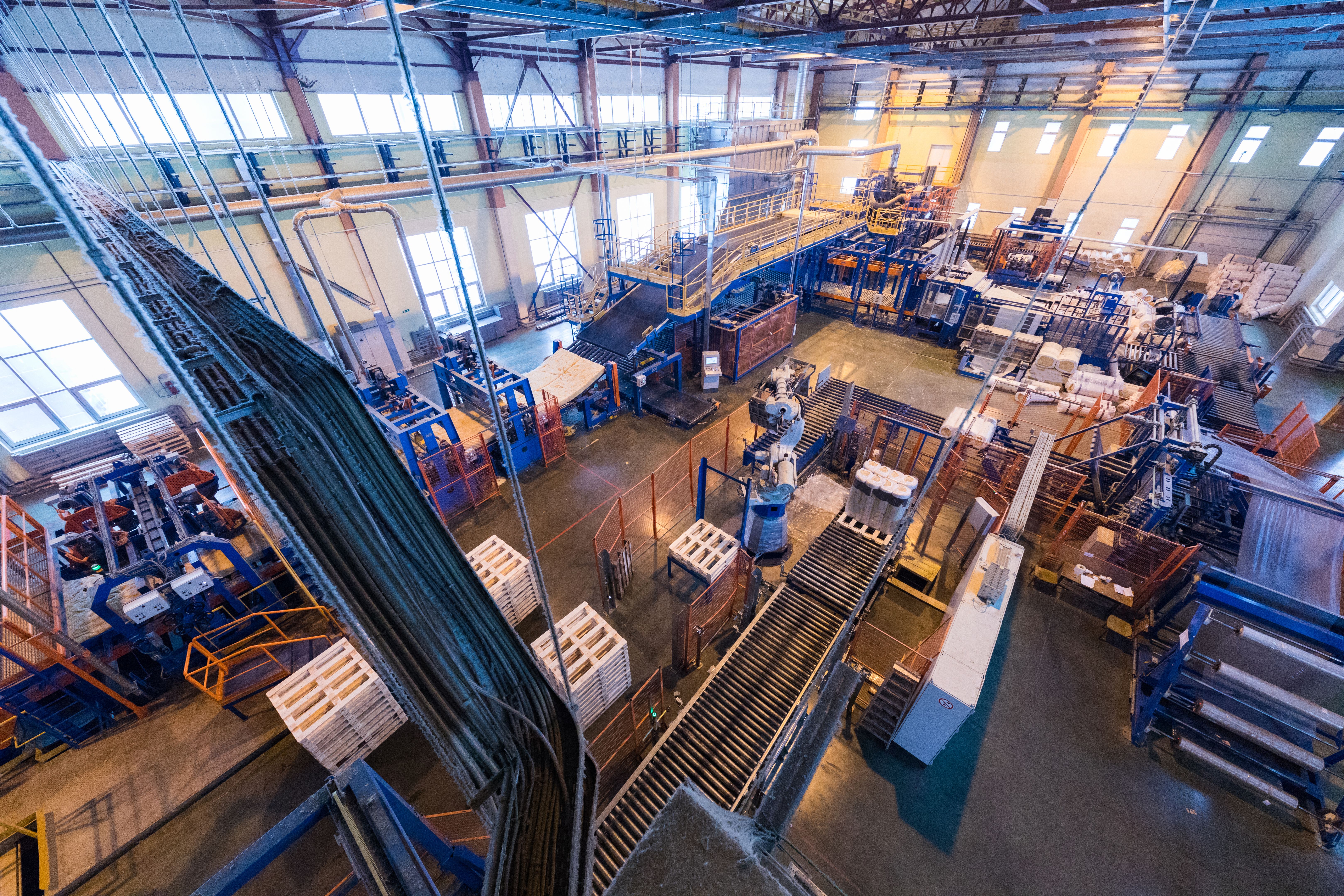
Integrating advanced technology into warehouse operations can greatly enhance efficiency. Automated systems, such as conveyor belts and robotic pickers, can speed up processes and reduce human error. Implementing warehouse management software can also help track inventory in real-time, allowing for better decision-making.

Consider investing in smart sensors and IoT devices that provide insights into warehouse conditions and equipment performance. This technology can alert managers to potential issues before they escalate, ensuring smooth operations.
Focusing on Sustainability
Sustainability is becoming increasingly important in industrial warehouse construction. Incorporating eco-friendly practices not only benefits the environment but can also lead to cost savings. Consider using energy-efficient lighting and HVAC systems to reduce energy consumption.
Implementing sustainable building materials and practices can also enhance the warehouse's environmental impact. Consider installation of solar panels or using recycled materials in construction. These practices can improve your company's reputation and appeal to environmentally conscious clients.
Ensuring Safety and Compliance
Safety is paramount in warehouse design. Ensuring compliance with local regulations and industry standards is essential to creating a safe work environment. This includes proper signage, adequate lighting, and maintaining clear aisles and exits.
Regular safety audits and employee training programs can further enhance safety and reduce the risk of accidents. Incorporating safety into the design process helps protect employees and reduce liability risks.
Enhancing Employee Productivity
An efficient warehouse design can positively impact employee productivity. Creating a comfortable and ergonomic work environment reduces worker fatigue and increases morale. Consider factors such as noise levels, temperature control, and break area accessibility.

Involving employees in the design process can also lead to valuable insights and innovations. Understanding their daily challenges can help create a space that supports their needs and enhances overall efficiency.
Conclusion
Maximizing efficiency in industrial warehouse construction involves a comprehensive approach that includes optimizing layout, incorporating technology, focusing on sustainability, ensuring safety, and enhancing employee productivity. By implementing these best practices, businesses can create warehouses that not only meet current demands but are also adaptable to future needs.