
Innovative Trends in Australian Warehouse Construction


Introduction to Warehouse Construction Trends
As the logistics and supply chain industry continues to expand in Australia, innovative trends in warehouse construction are becoming increasingly essential. These advancements are not only enhancing operational efficiency but also promoting sustainability. In this post, we'll explore some of the most significant trends shaping the future of warehouse construction in Australia.
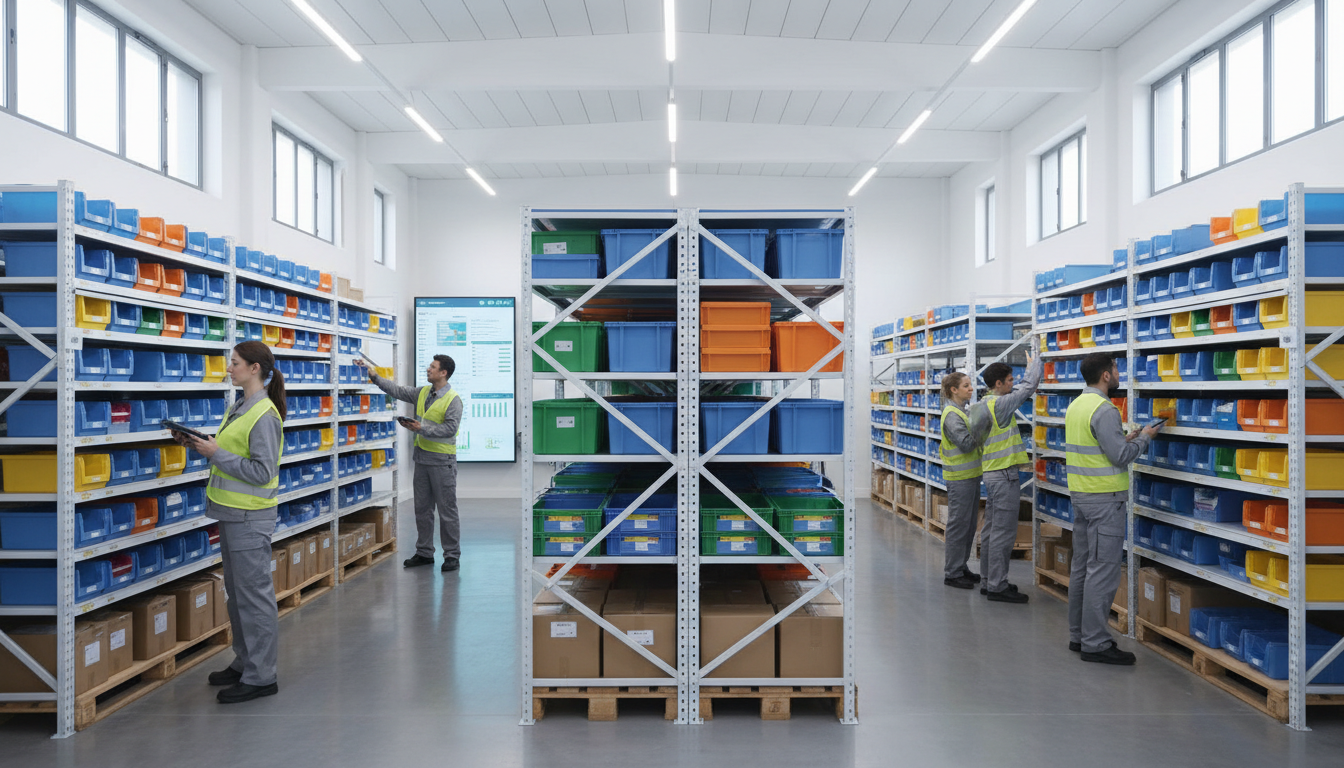
Green Building Initiatives
One of the most prominent trends is the integration of sustainable building practices. Warehouse developers are focusing on reducing the carbon footprint by incorporating energy-efficient systems, such as solar panels and advanced insulation materials. The aim is to create buildings that consume less energy and contribute to a healthier environment.
Additionally, the use of recycled and locally sourced materials is becoming more common. This not only supports local communities but also reduces transportation emissions and costs. The focus on sustainability is not just a trend but a necessity for future-proofing warehouse structures.
Technology-Driven Designs
With the rise of e-commerce, there is a growing need for warehouses that can handle complex logistics operations. Technology-driven designs are at the forefront of this transformation. The incorporation of smart technologies, such as IoT devices and automated systems, is revolutionizing warehouse management. These innovations enable real-time tracking, inventory management, and predictive maintenance.
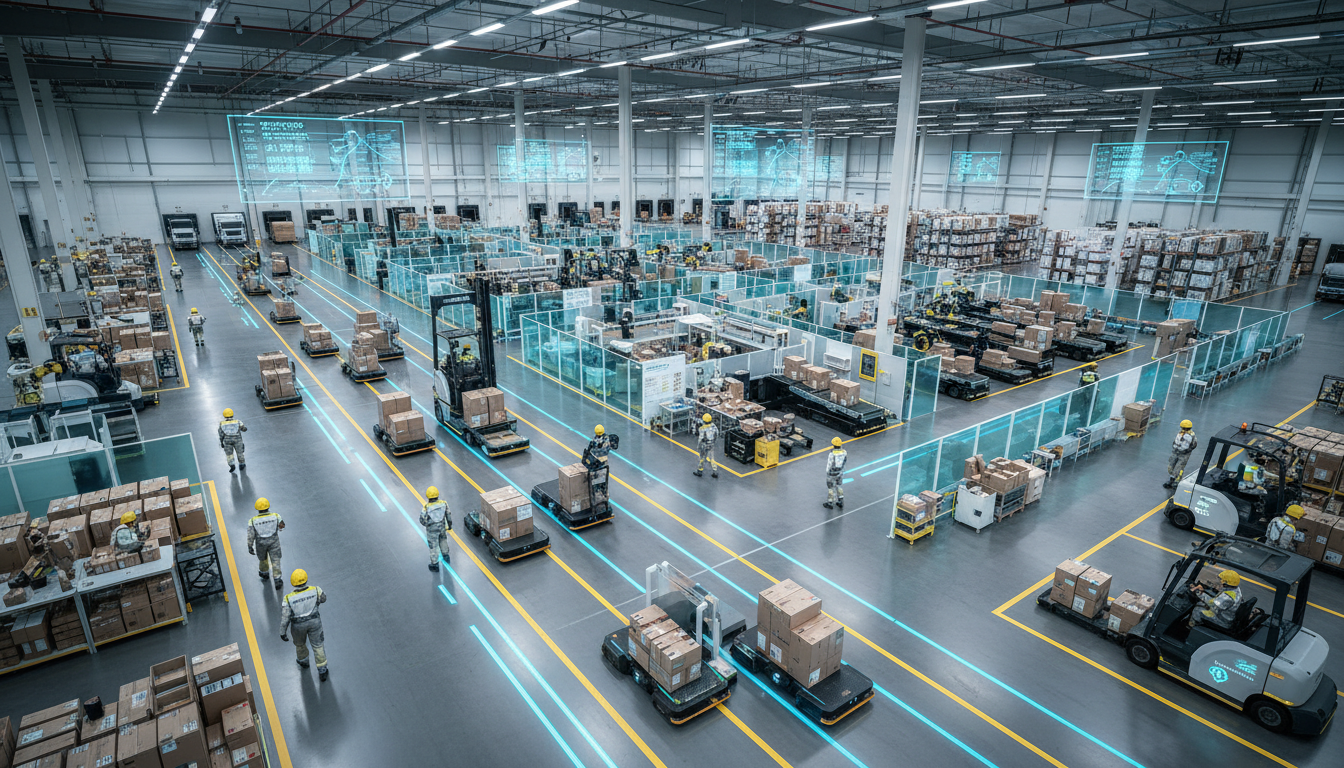
Automation and Robotics
Automation is no longer a luxury but a requirement in modern warehouses. Robotics and automated guided vehicles (AGVs) are being widely adopted to enhance efficiency and reduce labor costs. These technologies facilitate seamless operations by handling repetitive tasks, allowing human workers to focus on more strategic activities.
Flexible and Modular Designs
Flexibility is a key requirement for warehouses to adapt to changing market demands. Modular construction techniques are gaining popularity, offering the ability to expand or reconfigure spaces as needed. This flexibility ensures that warehouses can grow alongside the businesses they serve, providing long-term value.
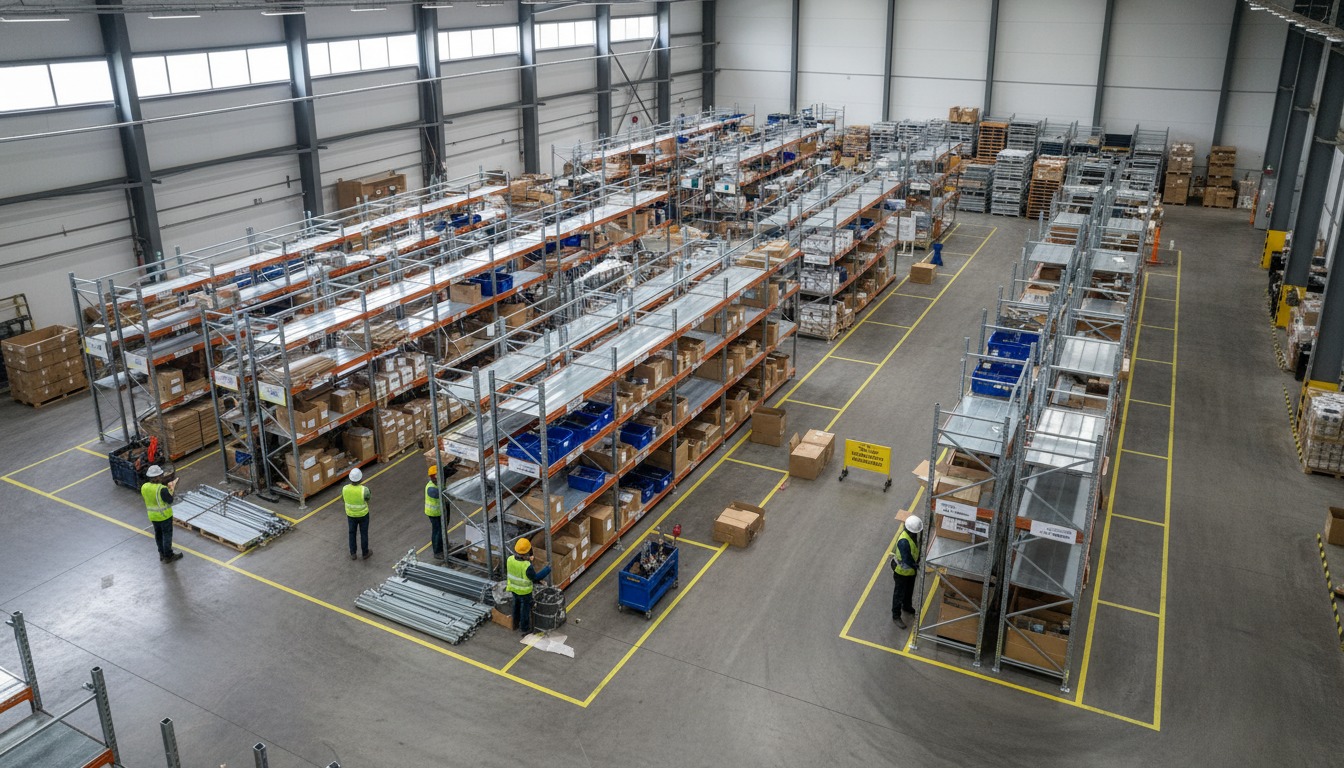
Moreover, the use of prefabricated elements accelerates construction timelines and reduces on-site waste. This method not only saves time but also ensures consistent quality and efficiency in the construction process.
Enhanced Safety Features
Safety is paramount in warehouse environments. Innovative construction techniques are focusing on enhancing safety features, such as improved lighting, ventilation, and fire suppression systems. These elements contribute to a safer working environment, reducing the risk of accidents and boosting overall productivity.
Conclusion: The Future of Warehouse Construction
As the demand for efficient and sustainable warehouses continues to rise, these innovative trends are paving the way for the future. By embracing green building practices, technology-driven designs, and flexible construction methods, Australia is setting a new standard in warehouse construction. These advancements promise not only to improve operational efficiency but also to create a more sustainable and adaptable industry landscape.