
Expert Insights: Trends in Australian Industrial Warehouse Construction


Rising Demand for Industrial Warehouses
The demand for industrial warehouse construction in Australia is experiencing a significant rise. This trend is largely driven by the rapid growth of e-commerce and the need for efficient supply chain management. Retailers are expanding their online presence, and this shift necessitates the development of advanced warehousing solutions to meet their logistical needs.
Technological Integration
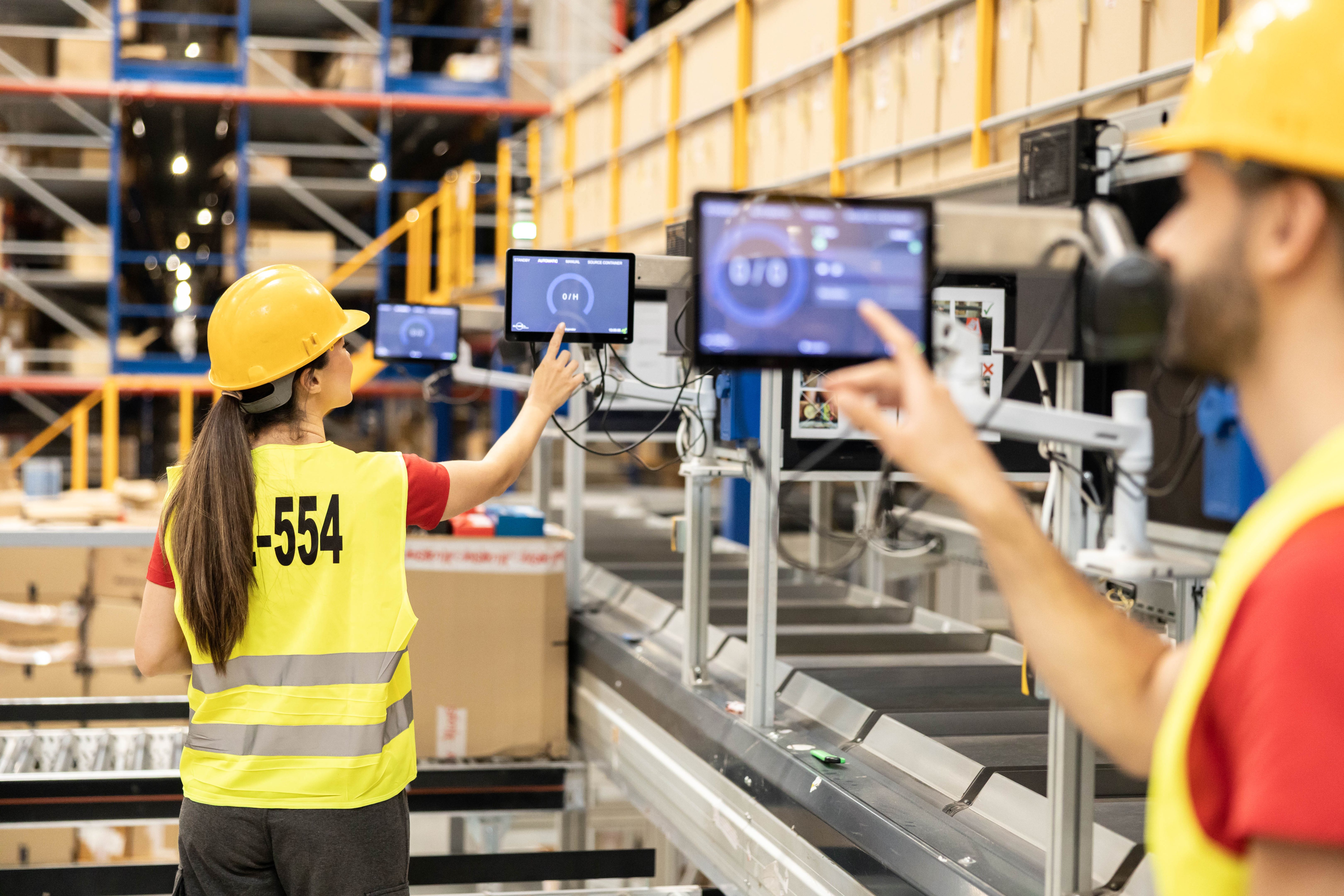
Modern warehouses are increasingly incorporating cutting-edge technologies. Automation, robotics, and artificial intelligence are becoming integral components of warehouse operations. These technologies enhance efficiency, reduce labor costs, and improve accuracy in inventory management.
Additionally, the use of smart technologies such as the Internet of Things (IoT) is transforming warehouse management systems. IoT devices allow for real-time tracking of goods, ensuring that inventory levels are optimally maintained and reducing the likelihood of stockouts.
Sustainability in Construction
As environmental concerns grow, sustainability has become a key focus in warehouse construction. Developers are increasingly adopting eco-friendly building practices, such as using sustainable materials and energy-efficient designs. This not only reduces the carbon footprint of warehouses but also results in long-term cost savings.
Green building certifications, like LEED, are gaining popularity, encouraging developers to design warehouses that are both environmentally responsible and resource-efficient.

Design and Layout Innovations
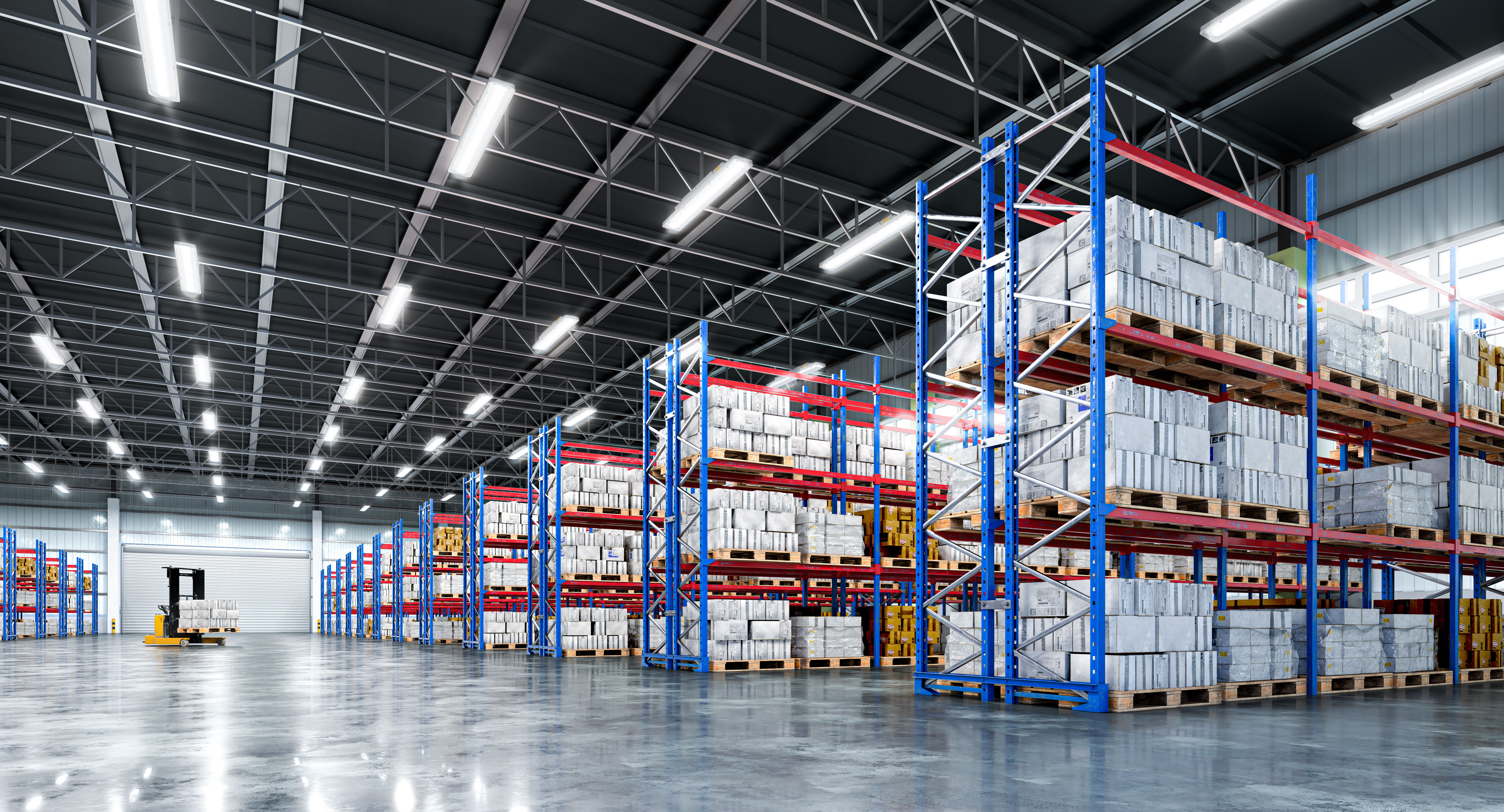
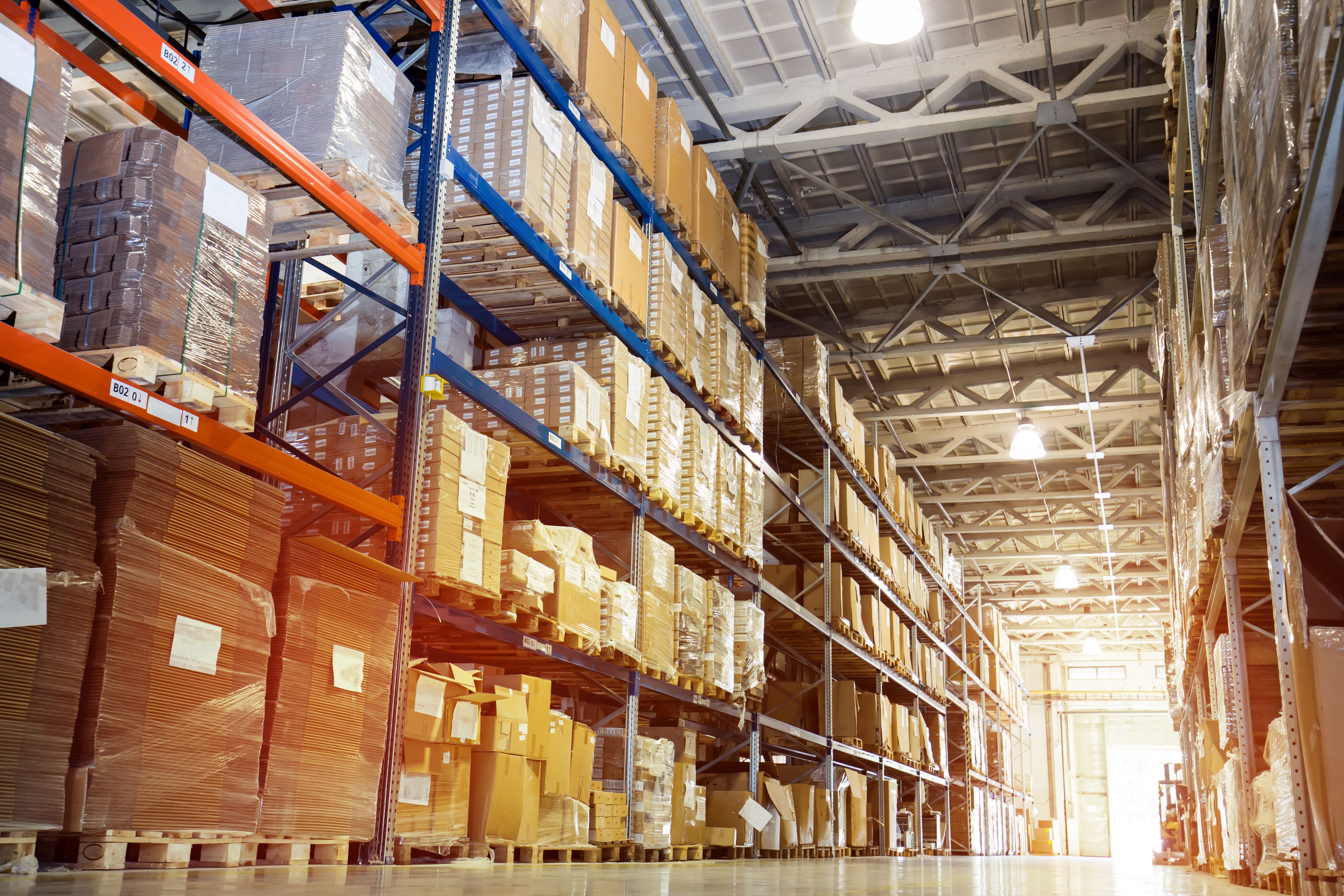
Innovative design and layout are crucial in modern warehouse construction. Flexibility is a priority, allowing for easy reconfiguration of spaces to accommodate changing business needs. High ceilings, wide aisles, and adaptable shelving systems are common features that facilitate efficient storage and movement of goods.
Moreover, the strategic placement of loading docks and the integration of advanced logistics systems streamline operations and enhance productivity.
Urban vs. Rural Locations
The choice between urban and rural warehouse locations is another important trend. Urban warehouses offer proximity to consumers, reducing delivery times and costs. However, they often come with higher land prices and zoning challenges.
Rural warehouses, on the other hand, provide ample space and lower costs, but may require more complex logistics networks to reach end consumers. Balancing these factors is critical for businesses seeking optimal warehouse locations.
Impact of Regulatory Changes
Regulatory changes in Australia are also influencing warehouse construction trends. Policies aimed at improving infrastructure and logistics networks are encouraging investment in warehouse development. Additionally, regulations focused on safety and environmental standards are shaping construction practices.
Staying informed about these regulatory shifts is essential for developers and businesses to ensure compliance and capitalize on new opportunities in the market.

In conclusion, the landscape of industrial warehouse construction in Australia is evolving rapidly. By embracing technological advancements, prioritizing sustainability, and adapting to regulatory changes, businesses can stay ahead in this dynamic sector.