
Expert Insights: The Future of Warehouse Construction in Australia


Introduction to Warehouse Construction Trends
The landscape of warehouse construction in Australia is undergoing a significant transformation. As industries evolve, the demand for efficient, sustainable, and technologically advanced facilities has never been higher. This shift is driven by various factors, including advancements in technology, changes in consumer behavior, and the need for sustainability.
Technological Advancements
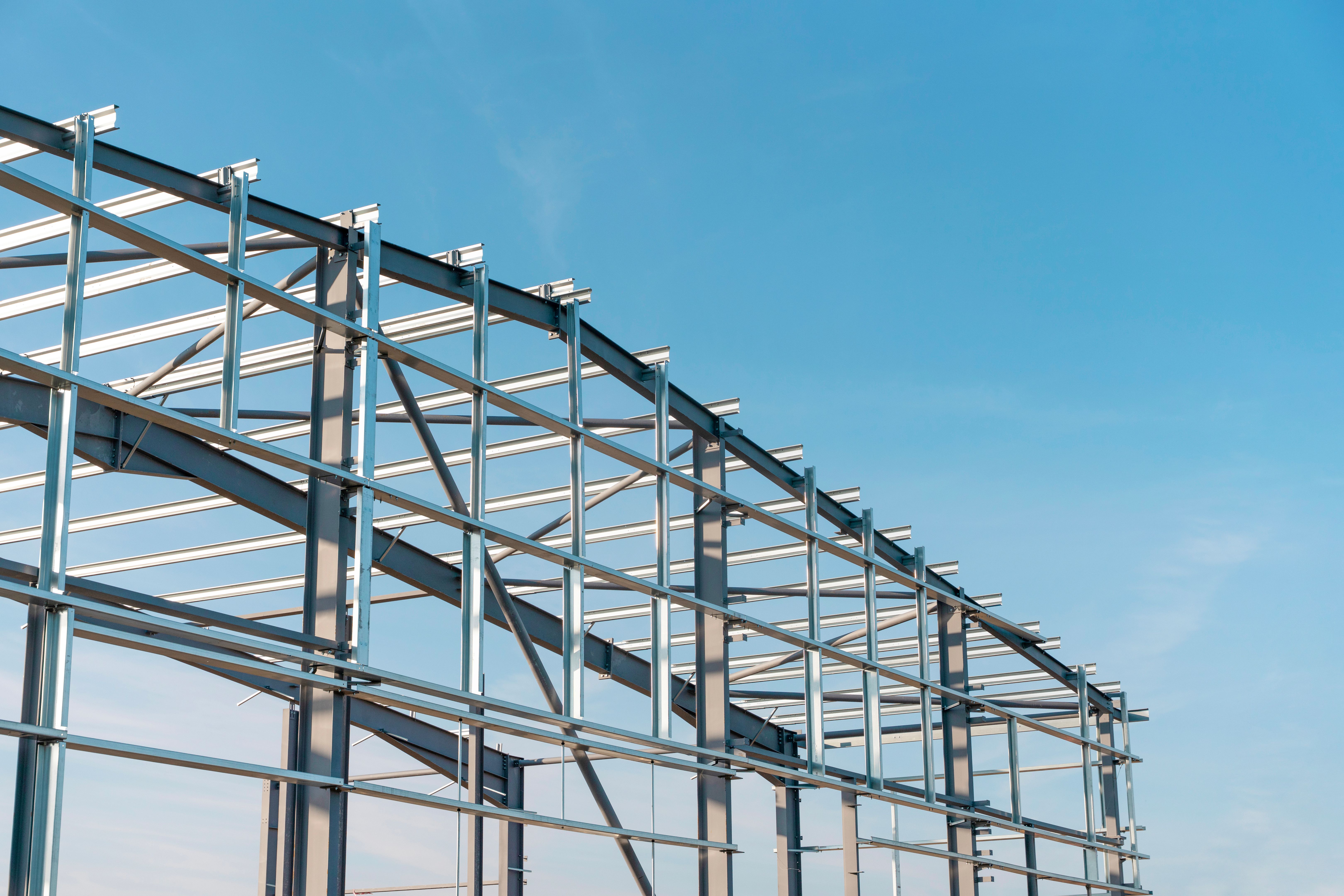
One of the most notable trends is the integration of technology in warehouse construction. Modern warehouses are now equipped with smart systems that enhance operational efficiency. From automated storage and retrieval systems to IoT-enabled devices, technology is streamlining processes and reducing labor costs.
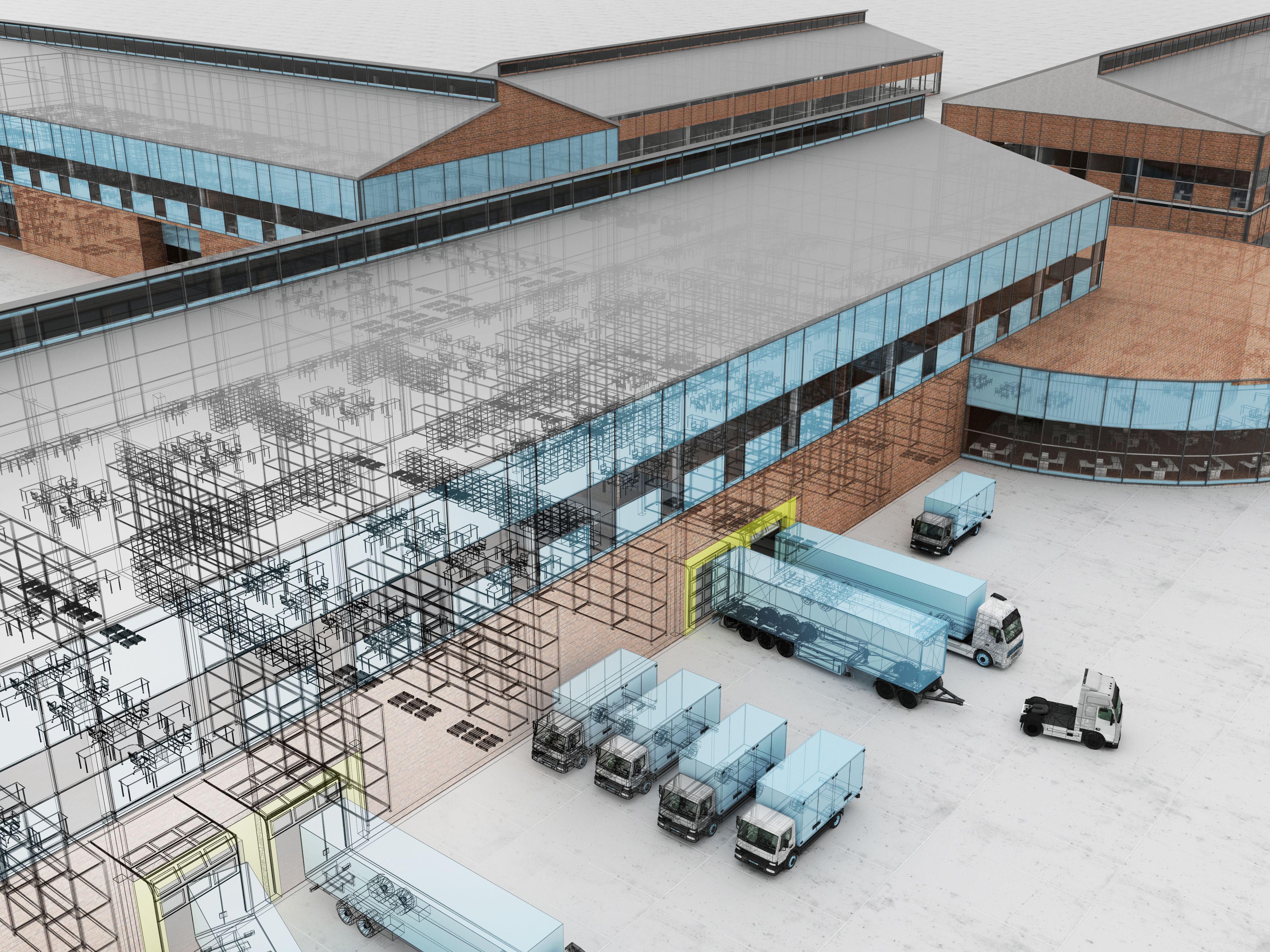
Furthermore, the use of Building Information Modeling (BIM) is becoming increasingly common. BIM allows for detailed 3D modeling, which improves accuracy and reduces errors during the construction phase. This technology not only saves time but also minimizes waste, contributing to more sustainable building practices.
Sustainability in Construction
As environmental concerns grow, sustainability has become a crucial aspect of warehouse construction. Companies are investing in eco-friendly materials and energy-efficient designs to reduce their carbon footprint. Features such as solar panels, rainwater harvesting systems, and energy-efficient lighting are becoming standard in new constructions.

Moreover, the concept of green buildings is gaining traction. Warehouses are being designed with LEED certification in mind, ensuring that they meet strict environmental standards. This not only benefits the planet but also offers long-term cost savings for businesses.
Design and Layout Innovations
The design and layout of warehouses are also evolving to accommodate changing business needs. Modern facilities are being designed with flexibility in mind, allowing for easy reconfiguration as requirements change. This is particularly important in a rapidly shifting market where agility can provide a competitive edge.
Open spaces, high ceilings, and modular designs are becoming prevalent, enabling businesses to optimize their space efficiently. Additionally, the incorporation of outdoor spaces for loading and unloading is improving logistics and reducing congestion within warehouses.
Impact of E-commerce
The rise of e-commerce has drastically influenced warehouse construction. With online shopping becoming the norm, there is an increasing demand for fulfillment centers that can handle high volumes of goods efficiently. These centers need to be strategically located to ensure quick delivery times.
As a result, urban warehouses are becoming more common. These facilities are smaller but closer to city centers, reducing the distance goods need to travel. This trend is expected to continue as e-commerce penetration grows.
Conclusion
The future of warehouse construction in Australia is bright, with numerous opportunities for innovation. By embracing technology, sustainability, and smart design, businesses can create facilities that are not only efficient but also environmentally friendly. As the industry continues to evolve, staying ahead of these trends will be crucial for success.