
Expert Insights: Navigating Construction Challenges in Industrial Warehousing


Understanding the Complexities of Industrial Warehousing Construction
The construction of industrial warehousing facilities is not just about erecting walls and a roof. It involves a nuanced approach that considers multiple complexities unique to this sector. From logistics and design to sustainability and technology integration, each aspect plays a crucial role in the successful completion of a project.
Industrial warehouses are often large-scale projects that require meticulous planning and execution. The challenges faced in this field are multifaceted and demand a deep understanding of both the industry and the specific requirements of each project.
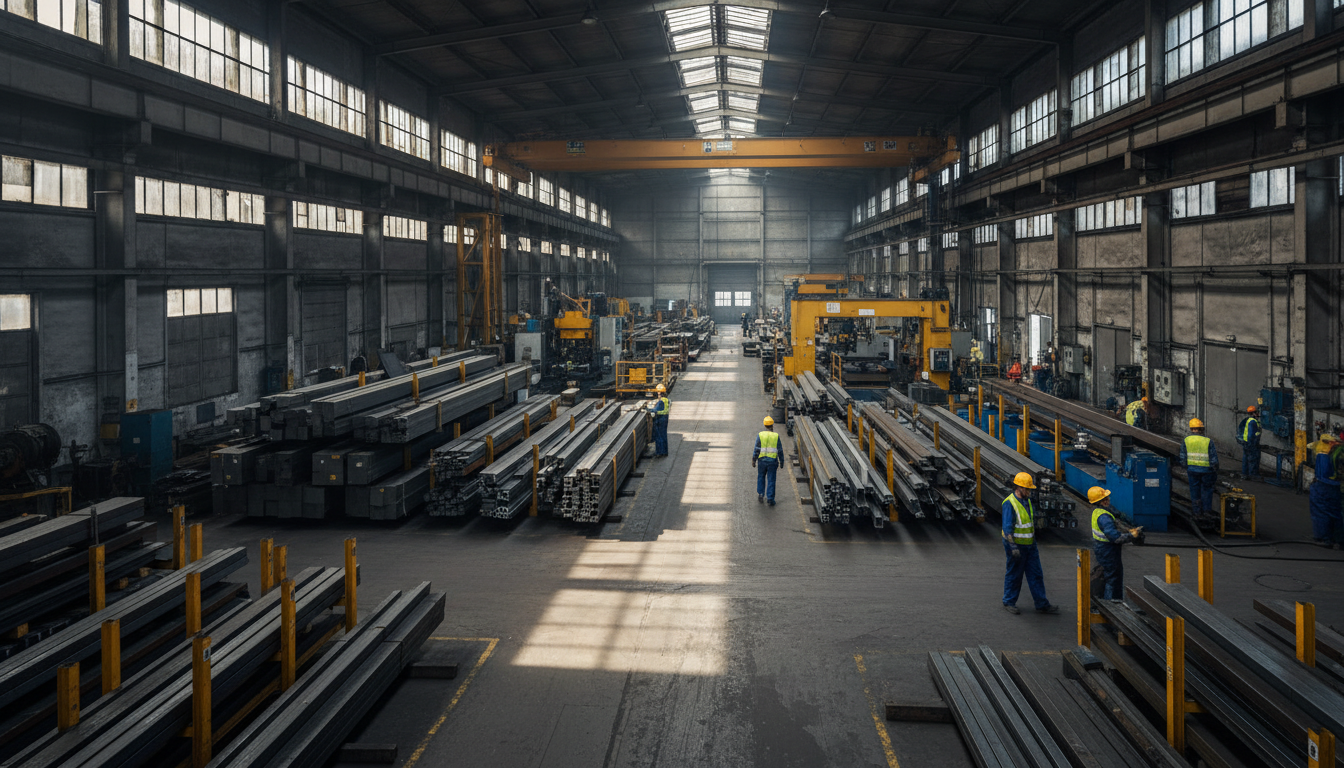
Design and Layout Challenges
One of the primary challenges in industrial warehousing is designing a layout that maximizes efficiency. The flow of goods, accessibility for vehicles, and space utilization are critical considerations. A poorly designed warehouse can lead to bottlenecks, reduced productivity, and increased operational costs.
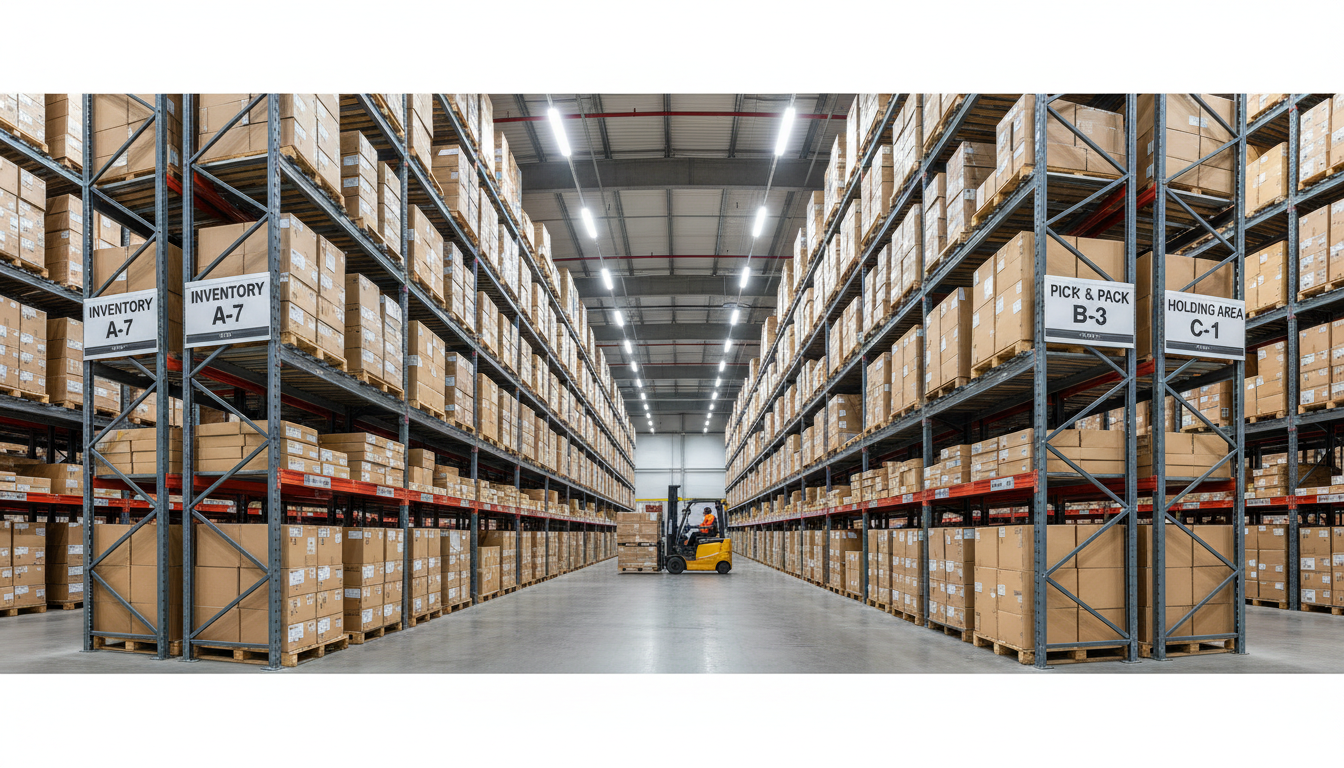
Moreover, the design must accommodate various types of storage solutions, such as pallet racking and automated systems, which require precise planning. Collaboration with architects and logistics experts is essential to create a design that supports both current needs and future growth.
Material Selection and Sustainability
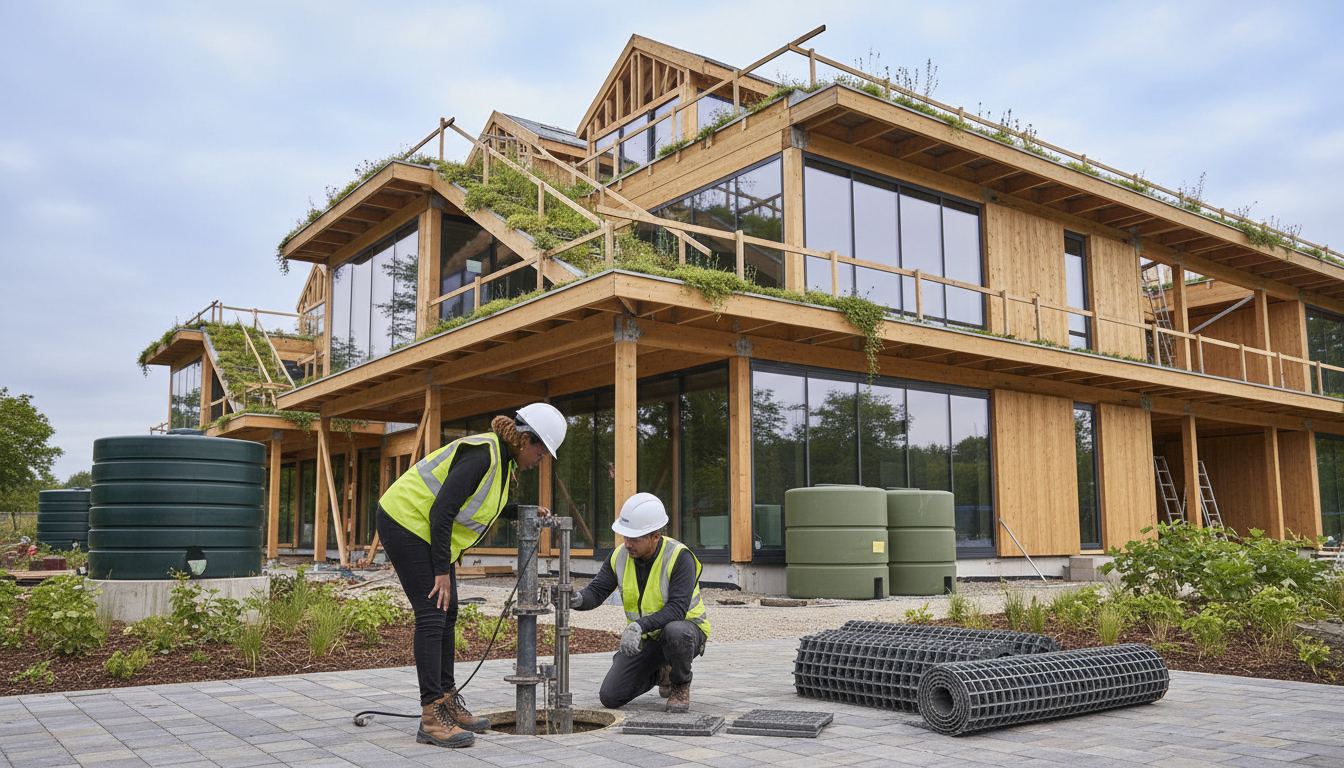
Choosing the right materials is pivotal in industrial warehouse construction. The materials must withstand the rigors of industrial use and comply with environmental regulations. Sustainability has become a key focus, prompting the industry to explore eco-friendly materials and energy-efficient solutions.
Incorporating sustainable practices not only helps in reducing the carbon footprint but also leads to long-term cost savings. Implementing solar panels, energy-efficient lighting, and advanced insulation are some of the strategies that can enhance sustainability.
Technological Integration in Construction
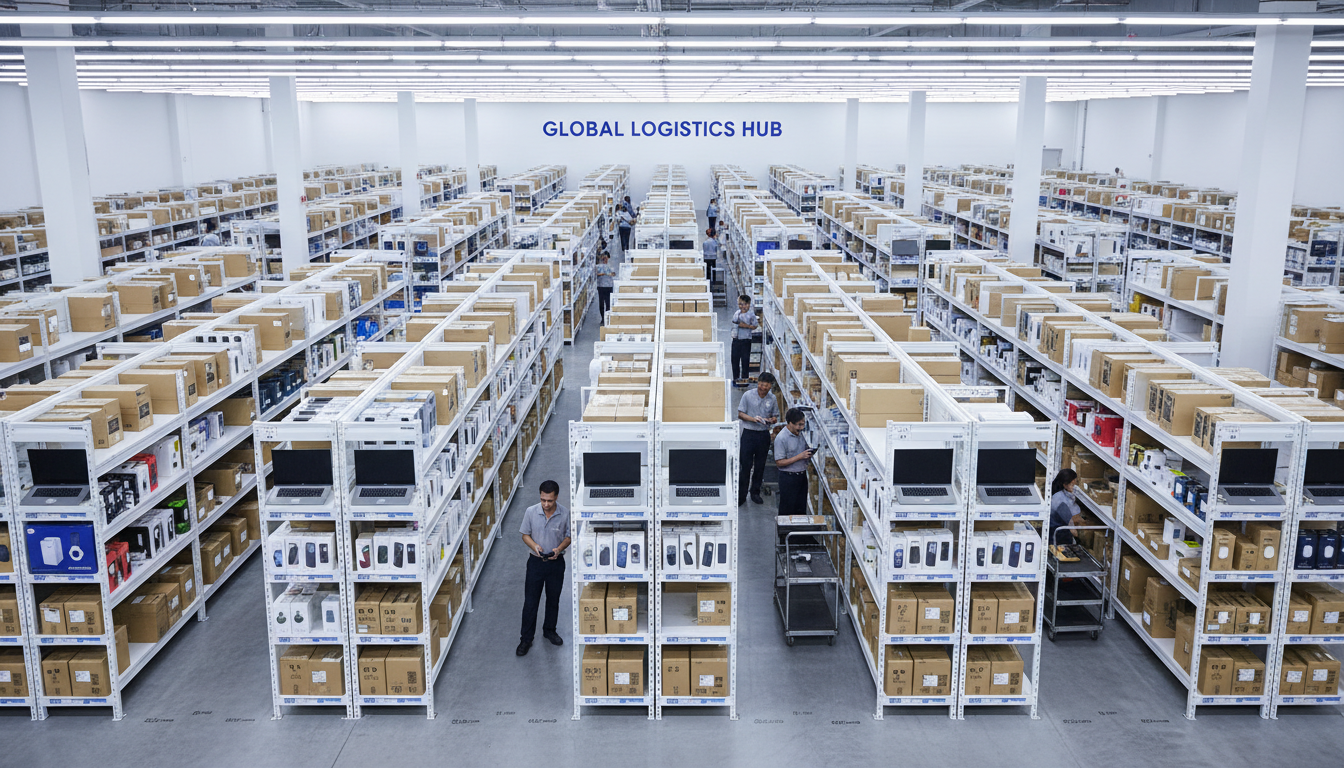
Technology plays a transformative role in modern industrial warehousing. The integration of automation and smart technologies can significantly enhance operational efficiency. From automated storage and retrieval systems to IoT-enabled devices, technology is reshaping how warehouses function.
- Automated systems reduce labor costs and increase accuracy.
- IoT devices provide real-time data for inventory management.
- Advanced security systems ensure the protection of goods.
Adopting these technologies requires a forward-thinking approach and investment in training and infrastructure.
Regulatory Compliance and Safety
Compliance with regulations is another significant challenge in the construction of industrial warehouses. Adhering to safety standards and building codes is non-negotiable, as non-compliance can lead to severe penalties and project delays.
Ensuring worker safety during construction and operation is a priority. Implementing safety protocols, providing proper training, and using protective equipment are essential measures that must be in place from the onset of the project.
Conclusion: Navigating the Path Forward
Successfully navigating the challenges of industrial warehousing construction requires a holistic approach that integrates design, sustainability, technology, and compliance. By leveraging expert insights and innovative solutions, construction professionals can build warehouses that not only meet current demands but are also prepared for future advancements.
Collaboration among stakeholders, continuous learning, and adaptability are key to overcoming obstacles and achieving success in this dynamic field. As the industry evolves, staying informed about emerging trends and technologies will ensure that industrial warehousing remains efficient and effective.