
Expert Insights: Innovations in Industrial Warehouse Construction


The Evolution of Industrial Warehouse Construction
Industrial warehouse construction has seen remarkable advancements in recent years, driven by technological innovation and the need for efficiency. As businesses expand and consumer demands grow, the industry is adapting to create more sustainable and adaptable spaces. The integration of smart technologies and eco-friendly materials is reshaping the landscape.
Smart Technologies in Warehousing
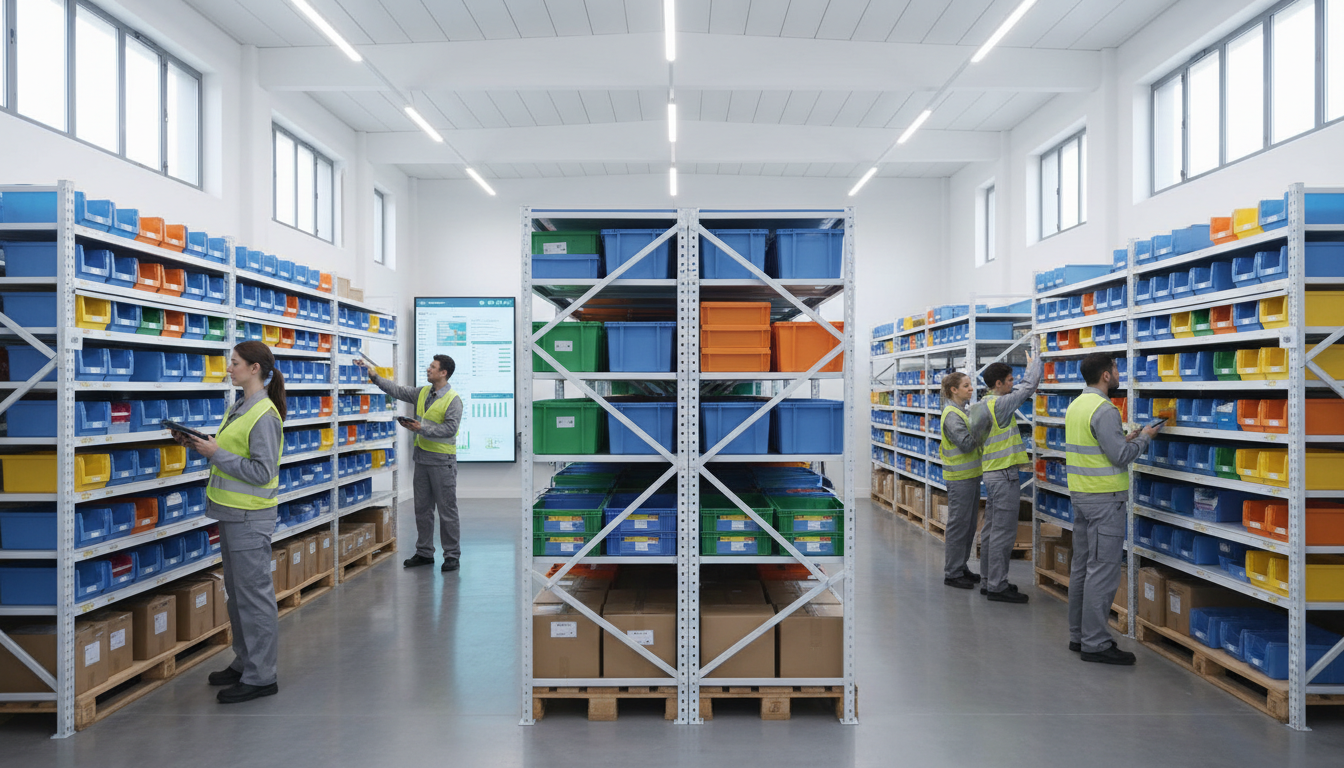
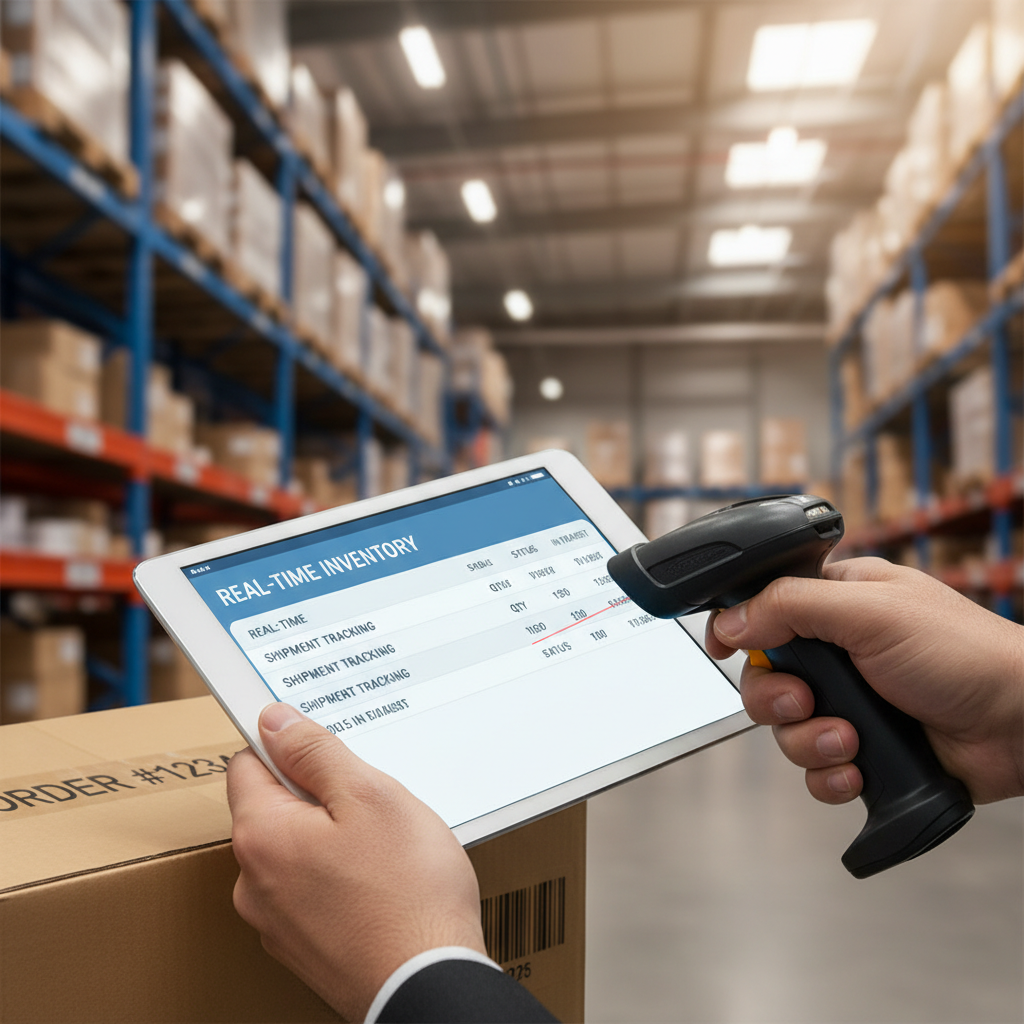
One of the most significant developments is the integration of smart technologies. Warehouses are now equipped with automated systems that streamline operations and enhance productivity. These systems include automated guided vehicles (AGVs), robotics, and advanced inventory management software. The use of Internet of Things (IoT) devices allows for real-time monitoring and data collection, optimizing every aspect of warehouse operations.
Additionally, artificial intelligence is playing a crucial role in predictive maintenance and energy management. By analyzing data from sensors and equipment, AI can predict potential failures and suggest maintenance schedules, reducing downtime and costs. This proactive approach not only boosts efficiency but also extends the lifespan of warehouse infrastructure.
Sustainability and Eco-Friendly Materials
Sustainability is at the forefront of modern warehouse construction. The use of eco-friendly materials such as recycled steel and low-VOC (volatile organic compound) paints is becoming standard practice. These materials reduce environmental impact and contribute to healthier work environments.
Moreover, warehouses are increasingly adopting green building certifications like LEED (Leadership in Energy and Environmental Design). Such certifications ensure that facilities meet high standards of energy efficiency, water conservation, and indoor environmental quality. Implementing renewable energy sources, such as solar panels, further enhances sustainability efforts.
Flexible Design for Future Adaptation
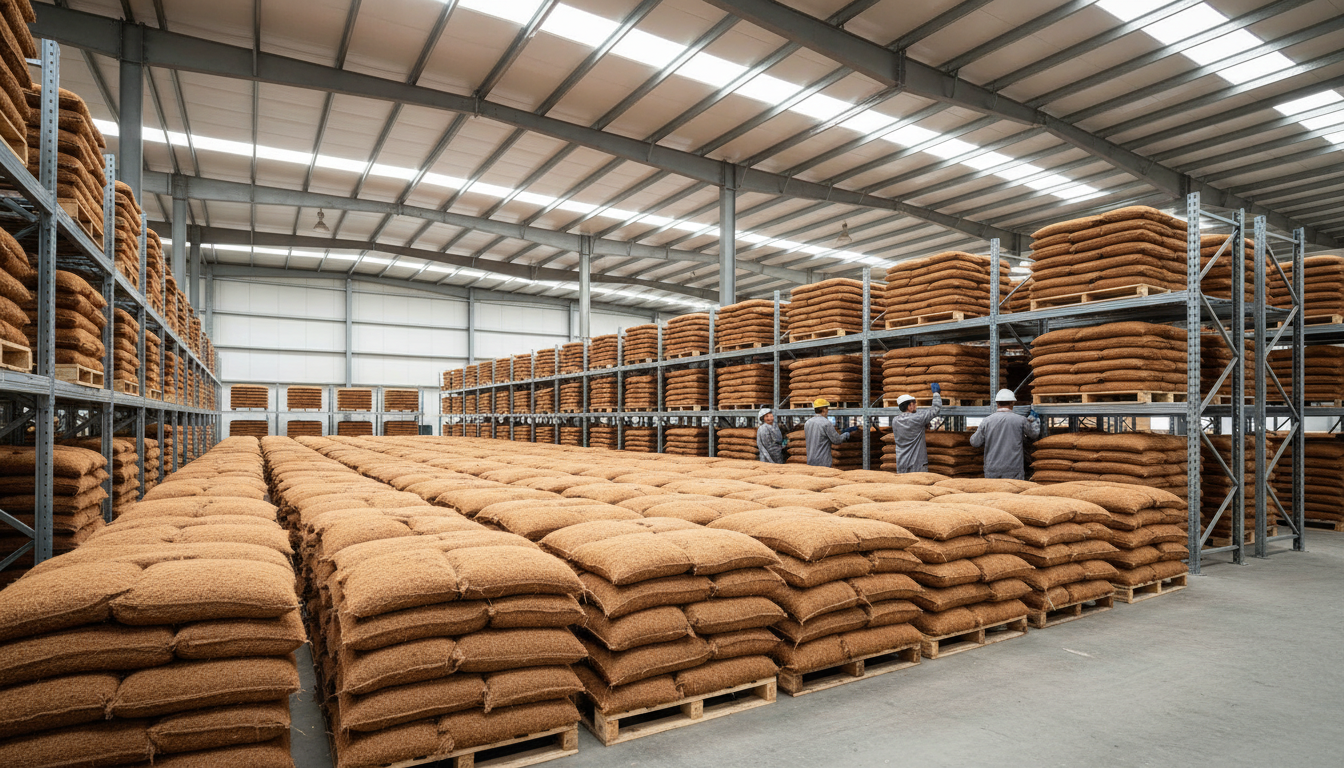
The need for flexibility in warehouse design has never been more critical. Businesses require spaces that can easily adapt to changing demands. Modular construction techniques are proving invaluable, allowing for quick assembly and customization. This approach not only reduces construction time but also permits easy reconfiguration as business needs evolve.
Additionally, multi-story warehouses are gaining popularity, especially in urban areas where space is limited. These vertical warehouses maximize storage capacity without expanding the building footprint, providing an efficient solution for high-density regions.
Conclusion
The innovations in industrial warehouse construction are transforming the industry, making it more efficient, sustainable, and adaptable. As technology continues to advance, these changes will likely accelerate, offering new opportunities for businesses to optimize their operations. Embracing these innovations is essential for companies looking to stay competitive in an ever-evolving market.