
Expert Advice: Common Pitfalls in Industrial Warehouse Construction


Understanding the Basics of Industrial Warehouse Construction
Constructing an industrial warehouse is a complex task that requires careful planning and execution. It involves multiple stages, from design to completion, each with its own set of challenges. Understanding these challenges is crucial to avoid common pitfalls that can lead to increased costs and delays.
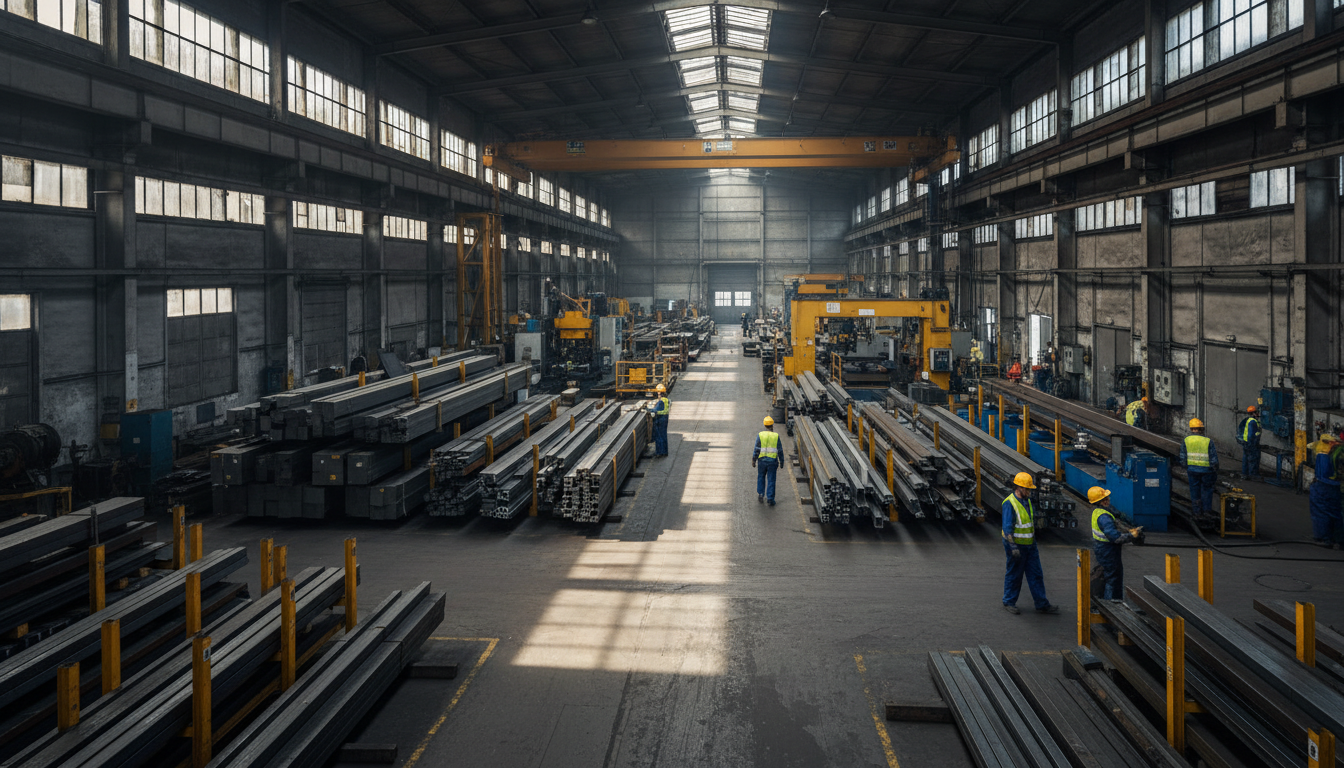
One of the primary considerations is the location of the warehouse. The site should be easily accessible, with good transport links to facilitate the efficient movement of goods. Additionally, the ground conditions need to be suitable for construction, as poor soil quality can lead to structural issues.
Design and Layout Challenges
The design of the warehouse is another critical factor. A well-thought-out layout can improve workflow and efficiency. However, many projects fail because of inadequate planning in this area. It's essential to consider the future needs of the business, allowing for potential expansion and adaptation.
Moreover, incorporating sustainable practices in the design can lead to long-term savings. Energy-efficient lighting and climate control systems can reduce operational costs while promoting environmental responsibility.
Material Selection and Quality Control
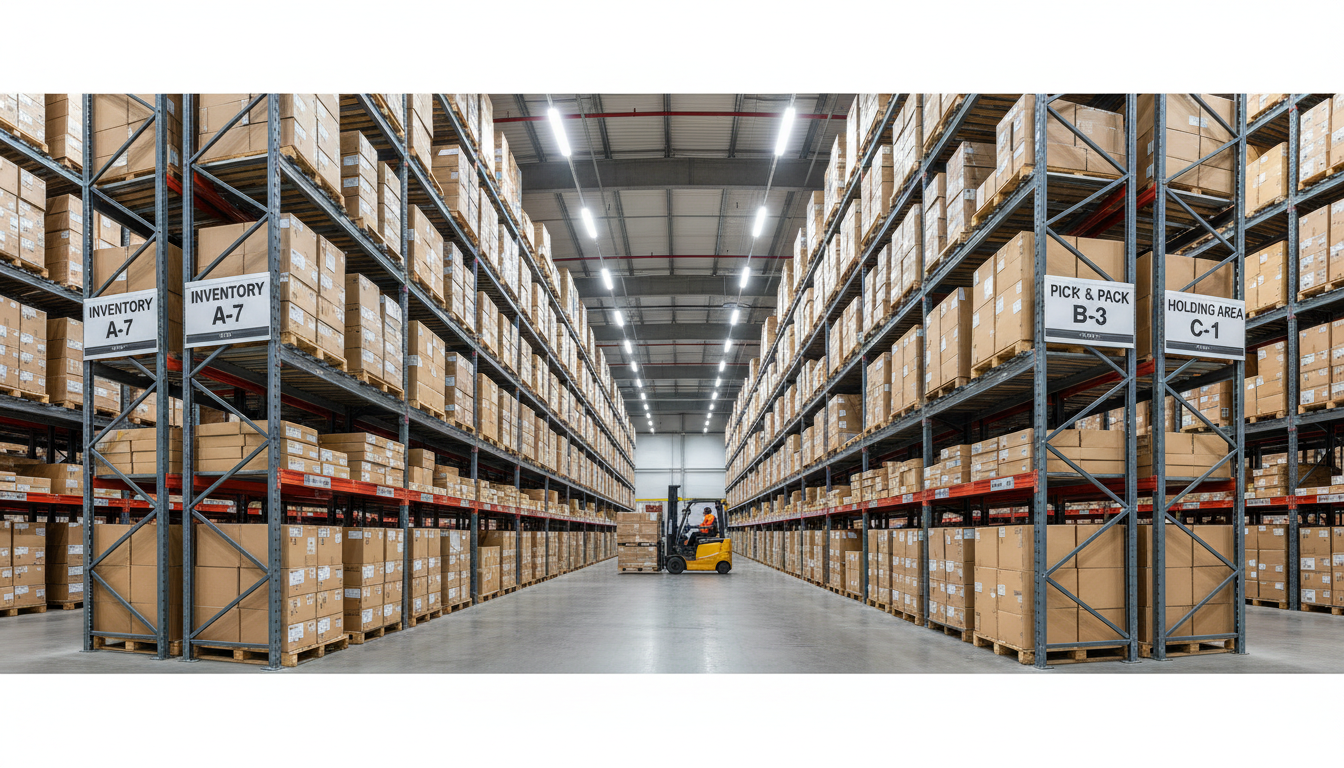
The choice of materials can significantly impact the durability and functionality of the warehouse. Using substandard materials may save money initially, but can lead to frequent repairs and maintenance costs in the long run. Ensuring quality control during construction is vital to maintain the integrity of the building.
Additionally, integrating modern technology, such as automation systems, can enhance operations. These systems can streamline processes, reduce labor costs, and increase efficiency, providing a competitive edge in the industry.
Compliance and Safety Regulations
Compliance with local building codes and safety regulations is non-negotiable. Failure to adhere to these standards can result in legal issues and fines. It's essential to work with professionals who are knowledgeable about the specific requirements in your area.
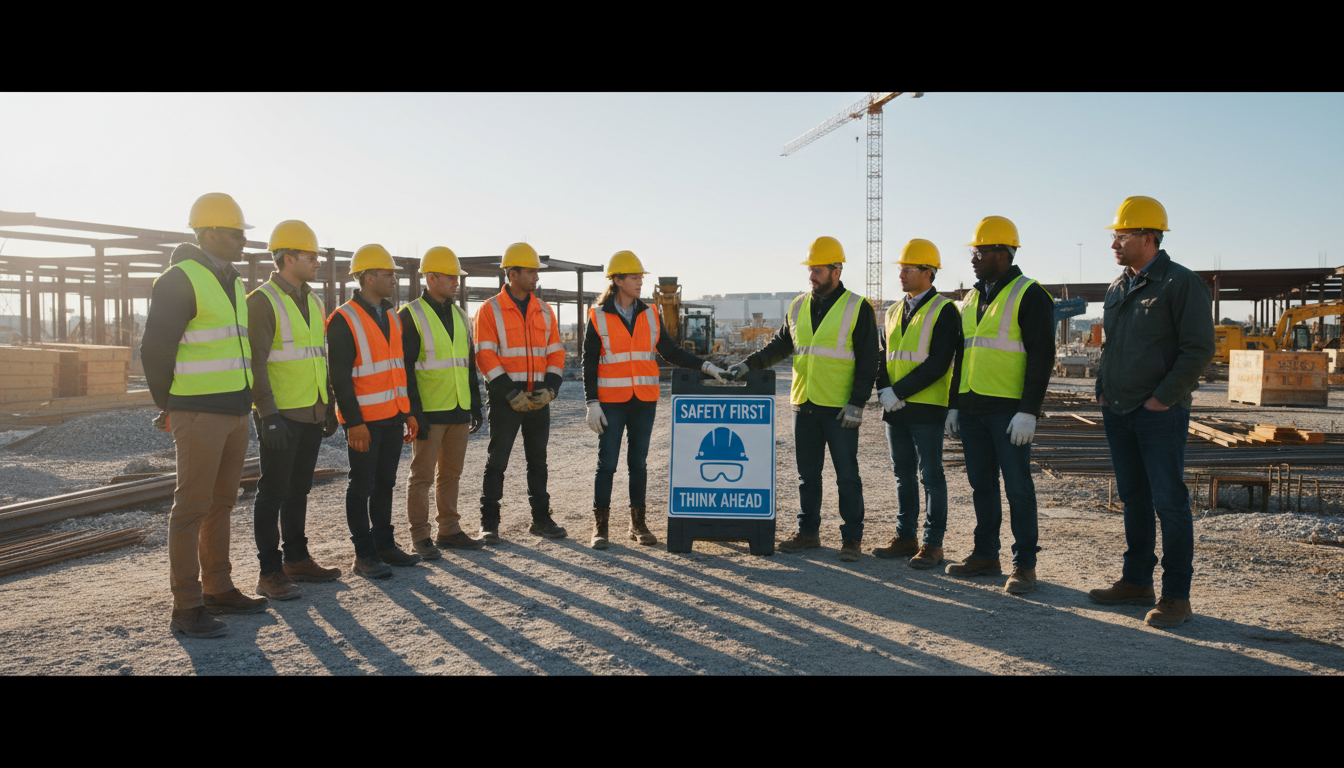
Implementing robust safety measures protects not only the workforce but also the assets stored within the warehouse. This includes fire safety systems, emergency exits, and regular safety audits to ensure ongoing compliance.
Conclusion
Avoiding common pitfalls in industrial warehouse construction requires a strategic approach and attention to detail. By focusing on location, design, material quality, and regulatory compliance, businesses can create efficient and sustainable warehouse spaces. Collaborating with experienced professionals can further ensure the success of the project, paving the way for a smooth operation. Remember, the effort invested during the construction phase can significantly influence the long-term success of the warehouse.