
Comprehensive Guide to Optimizing Your Industrial Warehouse Layout


Understanding the Importance of Warehouse Layout
Optimizing your industrial warehouse layout is a crucial step in enhancing operational efficiency and maximizing space utilization. A well-organized layout not only streamlines processes but also reduces costs and improves safety. Understanding the intricacies of layout planning can significantly impact your warehouse's performance.
Key Considerations for Warehouse Layout Design
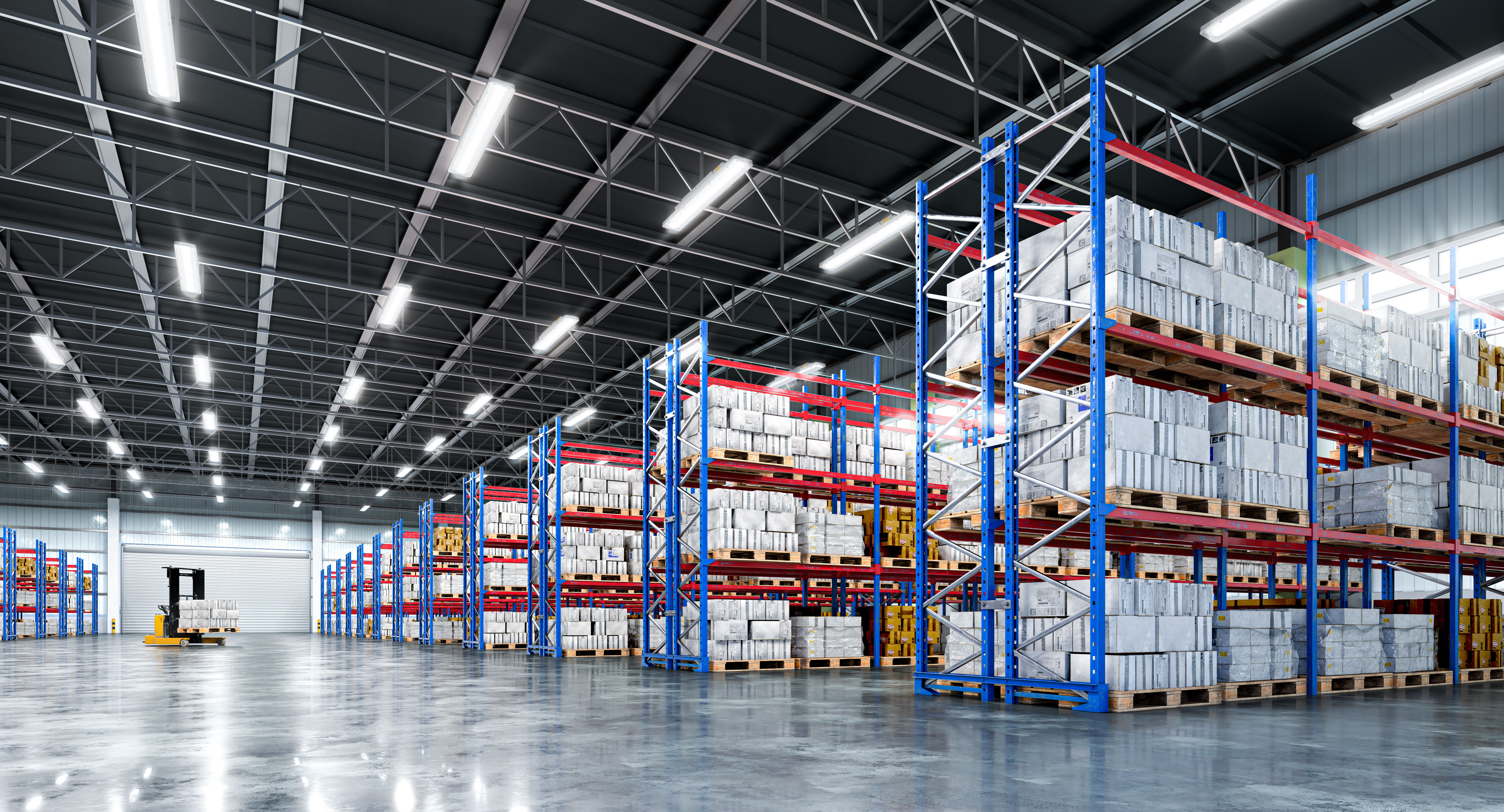
When designing a warehouse layout, several factors must be taken into account. Firstly, consider the flow of materials and how goods move throughout the facility. Ensuring a logical flow minimizes handling time and reduces the risk of bottlenecks.
Another important factor is space utilization. Evaluate your storage needs and choose the right shelving and racking systems. Proper stacking and storage techniques can free up valuable floor space and increase storage capacity.

Safety and Accessibility
Safety should be a top priority in any warehouse layout. Ensure that aisles are wide enough for equipment and personnel to move freely. Clearly mark emergency exits and install appropriate safety signage. Regularly review safety protocols to maintain a secure working environment.
Technology Integration
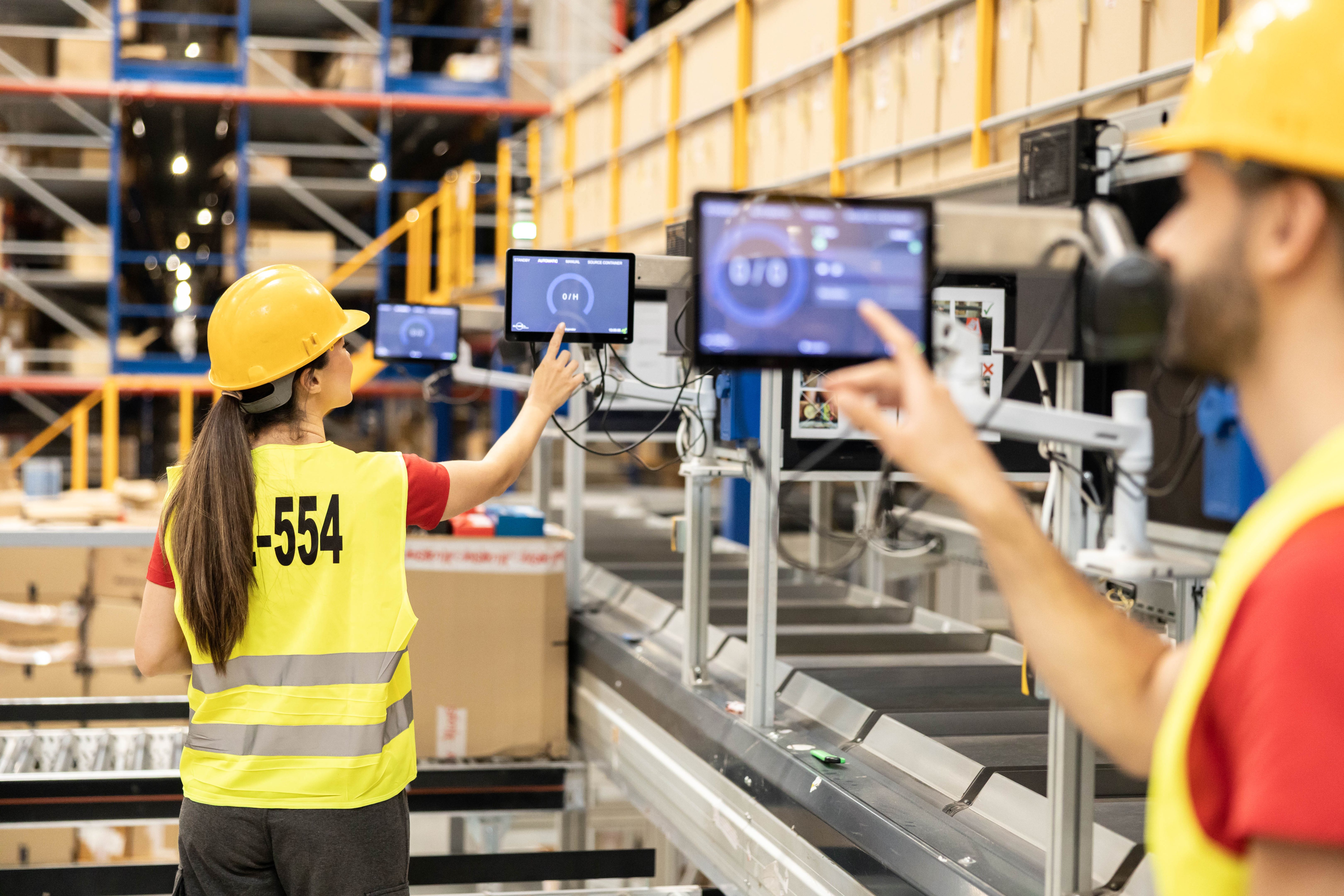
Integrating technology into your warehouse layout can further enhance efficiency. Implementing warehouse management systems (WMS) can streamline operations and provide real-time data insights. Consider automation options like conveyor belts and robotic systems to optimize material handling.
Steps to Optimize Your Layout
To optimize your warehouse layout, follow these steps:
- Conduct a thorough analysis of current operations and identify areas for improvement.
- Plan the layout with a focus on process flow and space utilization.
- Incorporate safety measures and ensure compliance with regulations.
- Implement technology solutions that align with your operational goals.
- Regularly review and adjust the layout to adapt to changing needs.
Training and Employee Involvement
Engage employees in the optimization process by providing training on new systems and procedures. Their involvement can lead to valuable insights and foster a culture of continuous improvement. Regular feedback sessions can help identify further areas for enhancement.

Conclusion
Optimizing your industrial warehouse layout is a dynamic process that requires careful planning and execution. By focusing on flow, space, safety, and technology, you can create a layout that supports your operational goals and enhances overall productivity. With regular assessments and employee involvement, your warehouse can remain efficient and adaptable to future challenges.