
Comprehensive Guide to Optimizing Industrial Warehouse Space


Understanding the Importance of Warehouse Optimization
Optimizing industrial warehouse space is crucial for enhancing efficiency, reducing costs, and improving workflow. A well-organized warehouse ensures that products are stored and retrieved seamlessly, minimizing delays and errors. By implementing strategic optimization techniques, businesses can maximize their storage capacity and increase operational efficiency.
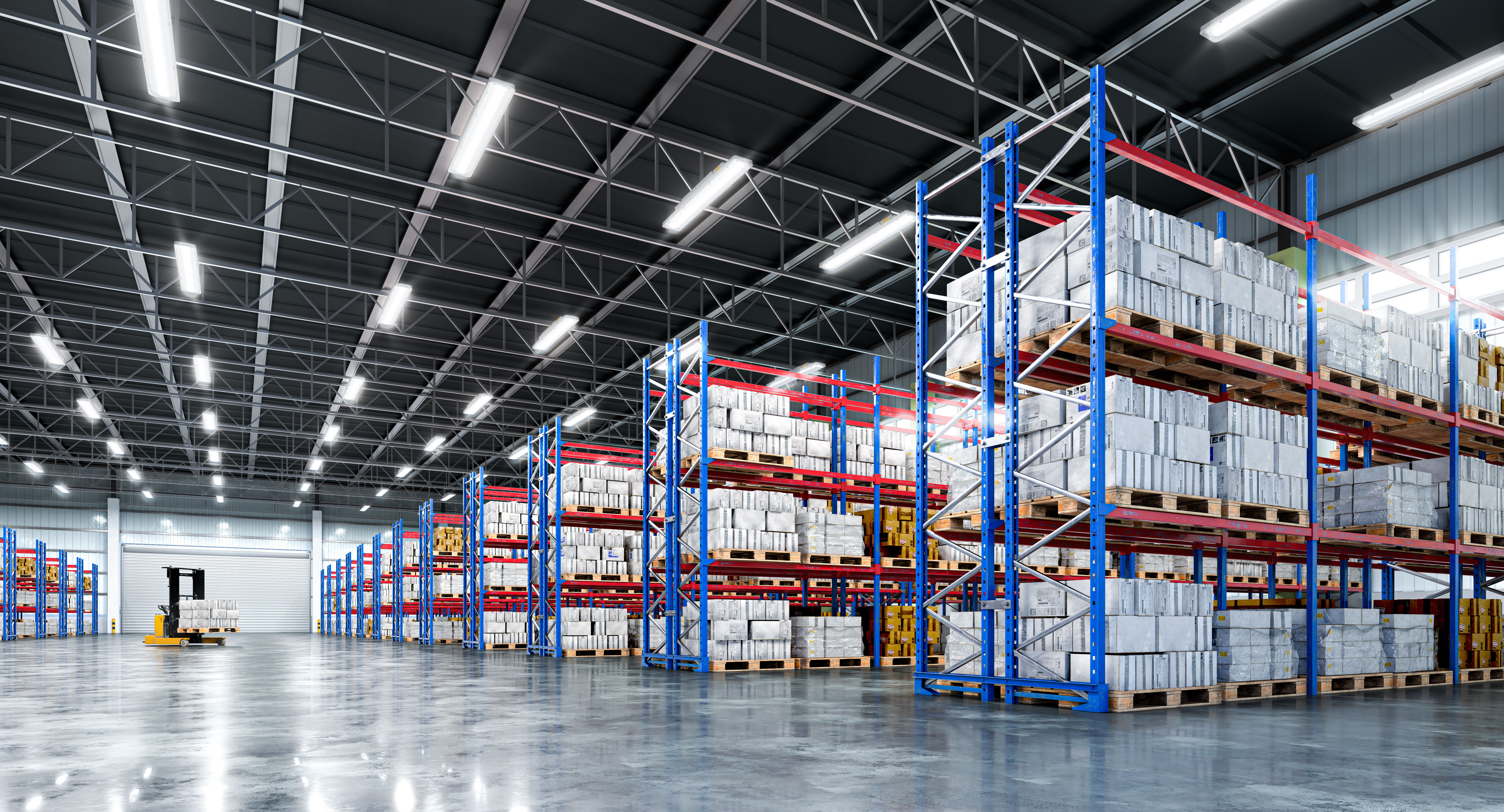
Conducting a Warehouse Audit
Before making any changes, it's essential to conduct a comprehensive audit of your current warehouse layout. This involves assessing the storage systems, workflow patterns, and inventory management processes. By identifying bottlenecks and areas for improvement, you can develop a targeted strategy to optimize your space effectively.
Implementing Vertical Storage Solutions
One of the most effective ways to maximize space is by utilizing vertical storage solutions. Installing high-rise shelving units or mezzanines can significantly increase your storage capacity without expanding your warehouse footprint. This approach not only saves space but also improves accessibility and inventory organization.

Enhancing Workflow Efficiency
Streamlining workflow is another critical aspect of warehouse optimization. By organizing your warehouse layout according to the principle of flow, you can reduce travel time and improve productivity. Positioning frequently accessed items closer to dispatch areas and creating clear, unobstructed pathways are effective strategies to enhance workflow.
Utilizing Technology for Optimization
Technology plays a pivotal role in optimizing warehouse space. Implementing warehouse management systems (WMS) can automate inventory tracking, order processing, and space allocation. These systems provide real-time data and insights, allowing you to make informed decisions and improve overall efficiency.

Adopting Lean Inventory Practices
Lean inventory practices focus on minimizing waste and maintaining optimal stock levels. By adopting just-in-time (JIT) inventory management, you can reduce excess stock and free up valuable space. Regularly reviewing inventory levels and demand forecasts ensures that you only store what is necessary, enhancing space utilization.
Regular Maintenance and Review
Continuous improvement is key to sustaining warehouse optimization. Regularly reviewing and maintaining your warehouse systems ensures that they remain efficient and effective. Scheduling routine checks and updates helps identify any issues early, preventing disruptions and maintaining smooth operations.
In conclusion, optimizing industrial warehouse space requires a strategic approach that encompasses auditing, technology integration, and continuous improvement. By focusing on these areas, businesses can achieve a more efficient, cost-effective, and streamlined warehouse operation.