
Comprehensive Guide to Optimizing Industrial Warehouse Construction


Understanding the Basics of Industrial Warehouse Construction
Constructing an industrial warehouse involves a multitude of considerations, each crucial to ensure the facility meets both current and future needs. From site selection to design, every step requires careful planning. Understanding these basics can significantly impact the functionality and efficiency of the warehouse.
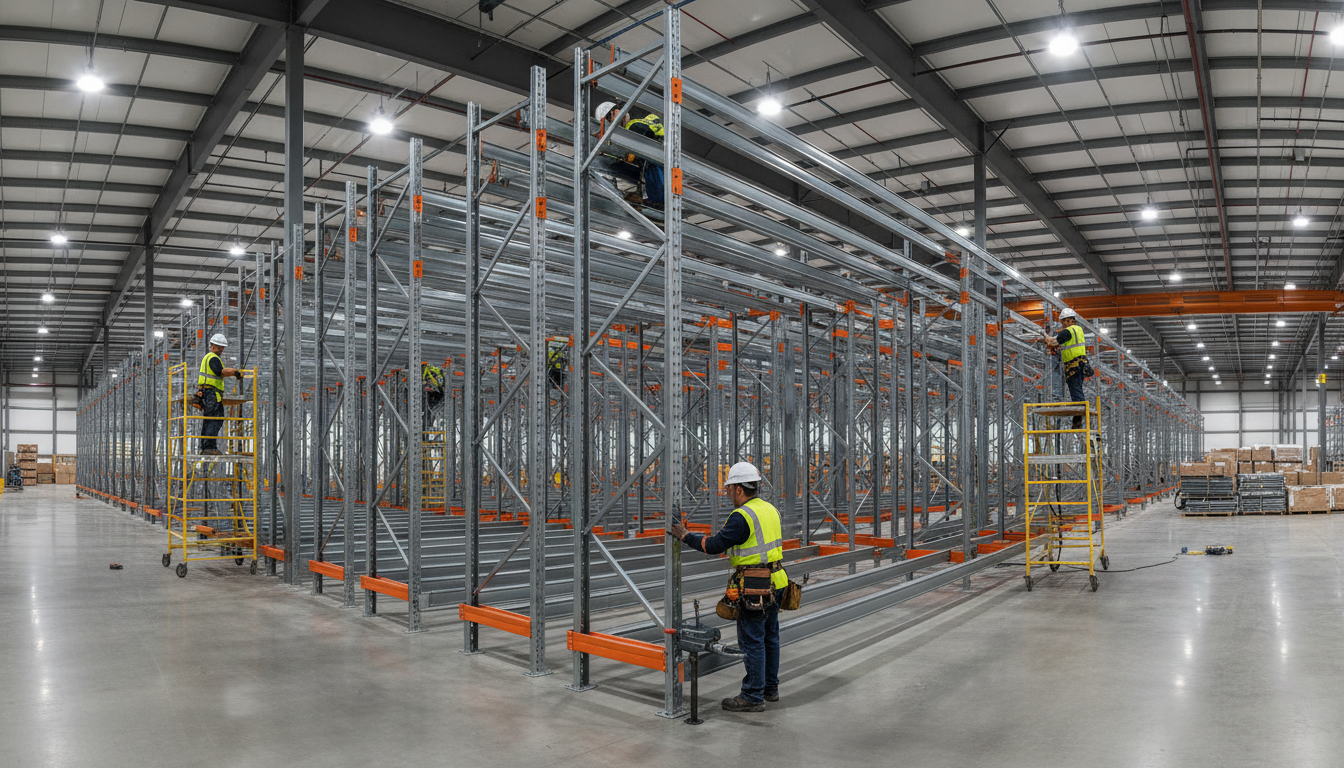
The initial step involves choosing the right location. Proximity to major transportation hubs, accessibility, and the local labor market are key factors to consider. Additionally, evaluating zoning regulations and environmental impact can prevent future legal and operational challenges.
Designing for Efficiency and Scalability
A well-thought-out design is vital for optimizing warehouse operations. The layout should facilitate smooth workflow, minimize movement, and accommodate various storage systems. Considerations include ceiling height, column spacing, and dock door quantity and placement.
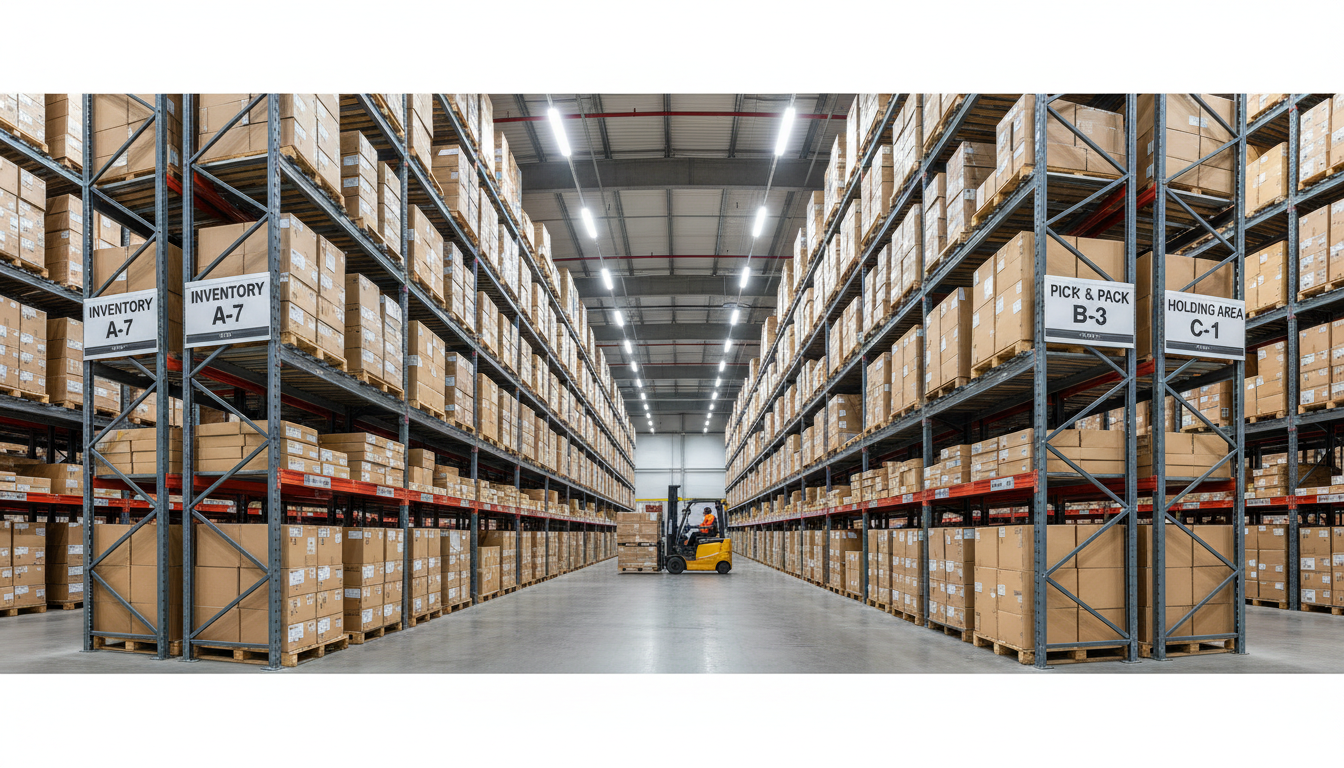
Scalability is another essential aspect. As businesses grow, the ability to expand operations without major disruptions is crucial. Designing with flexibility in mind can save time and costs in the long run, allowing for adjustments in storage configurations or the addition of new technology.
Incorporating Technology and Automation
With the rapid advancement of technology, integrating state-of-the-art solutions can enhance warehouse efficiency. Automated storage and retrieval systems (AS/RS), robotics, and warehouse management systems (WMS) are transforming how warehouses operate.
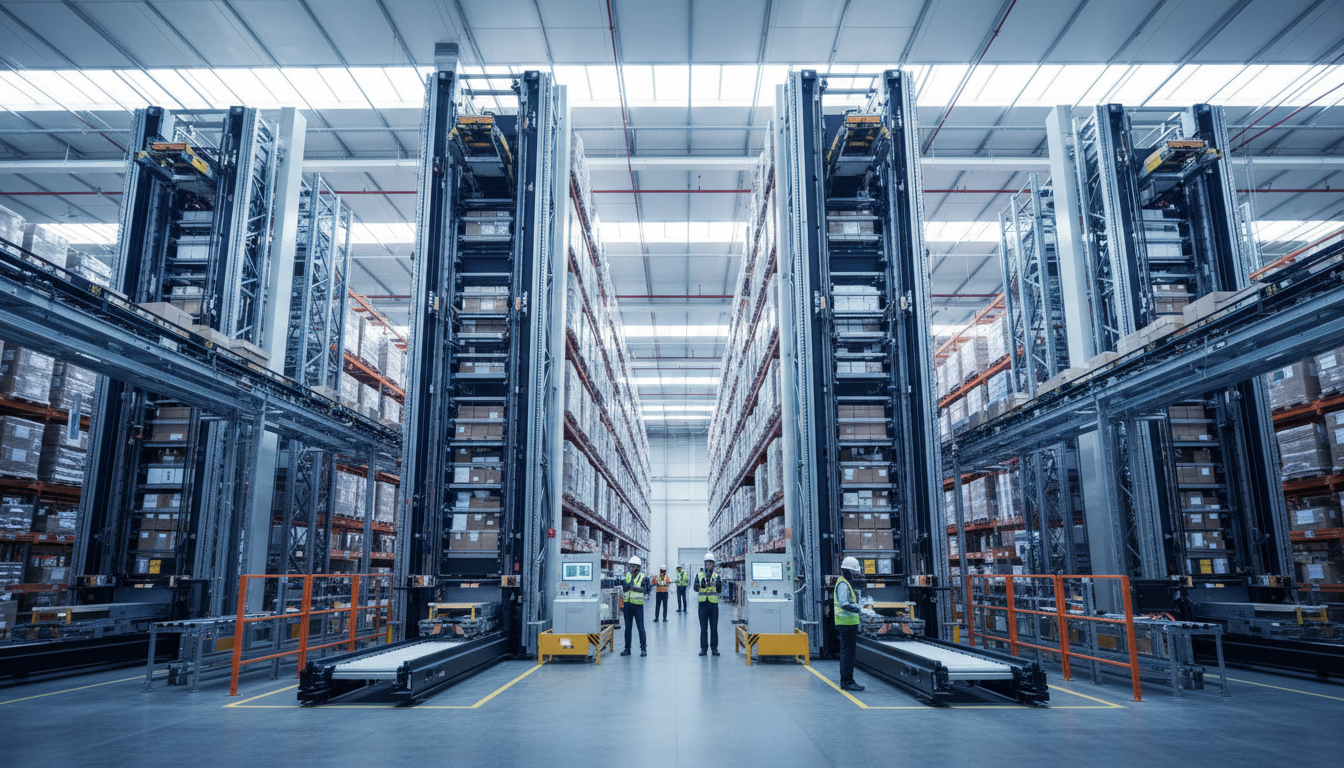
Implementing these technologies can reduce labor costs, improve accuracy, and increase throughput. However, it is important to select solutions that align with the specific needs of your operation. Regular training and maintenance ensure that these systems remain effective and up-to-date.
Ensuring Sustainability and Energy Efficiency
Sustainability is becoming increasingly important in warehouse construction. Opting for energy-efficient designs and materials not only reduces environmental impact but also lowers operational costs. Considerations might include LED lighting, solar panels, and advanced HVAC systems.
- LED Lighting: Reduces energy consumption and maintenance costs.
- Solar Panels: Offers long-term savings and energy independence.
- Advanced HVAC: Improves climate control and energy efficiency.
Compliance and Safety Considerations
Adhering to safety standards and regulations is non-negotiable in warehouse construction. Ensuring compliance with local and international safety codes protects both employees and inventory. Regular audits and safety training are essential components of a safe warehouse environment.

Investing in safety features such as fire suppression systems, emergency exits, and proper signage can prevent accidents and enhance operational reliability. A proactive approach to safety can also foster a positive workplace culture.
Conclusion
Optimizing industrial warehouse construction involves a comprehensive approach that blends strategic planning, innovative design, technology integration, and a commitment to sustainability and safety. By focusing on these areas, businesses can create warehouses that are not only efficient and cost-effective but also adaptable to future needs. With careful planning and execution, a well-constructed warehouse becomes a powerful asset that drives growth and success.