
Comprehensive Guide to Building Industrial Warehouses in Australia


Understanding the Basics of Industrial Warehousing in Australia
Building an industrial warehouse in Australia requires a comprehensive understanding of various factors, including location, design, and compliance with local regulations. As the demand for storage and distribution facilities continues to grow, it's crucial for developers to focus on creating efficient and sustainable warehouses.
Choosing the Right Location
The location of an industrial warehouse is pivotal to its success. Proximity to major transportation networks such as highways, ports, and airports can significantly reduce logistics costs. Additionally, consider the availability of a skilled workforce and the proximity to your customer base.
Understanding Zoning Laws
Before purchasing land, it's essential to understand the zoning laws and regulations in the area. These laws dictate the types of structures that can be built and the activities that can be conducted. Ensuring your warehouse complies with these regulations will save time and resources in the long run.
Design and Construction Considerations
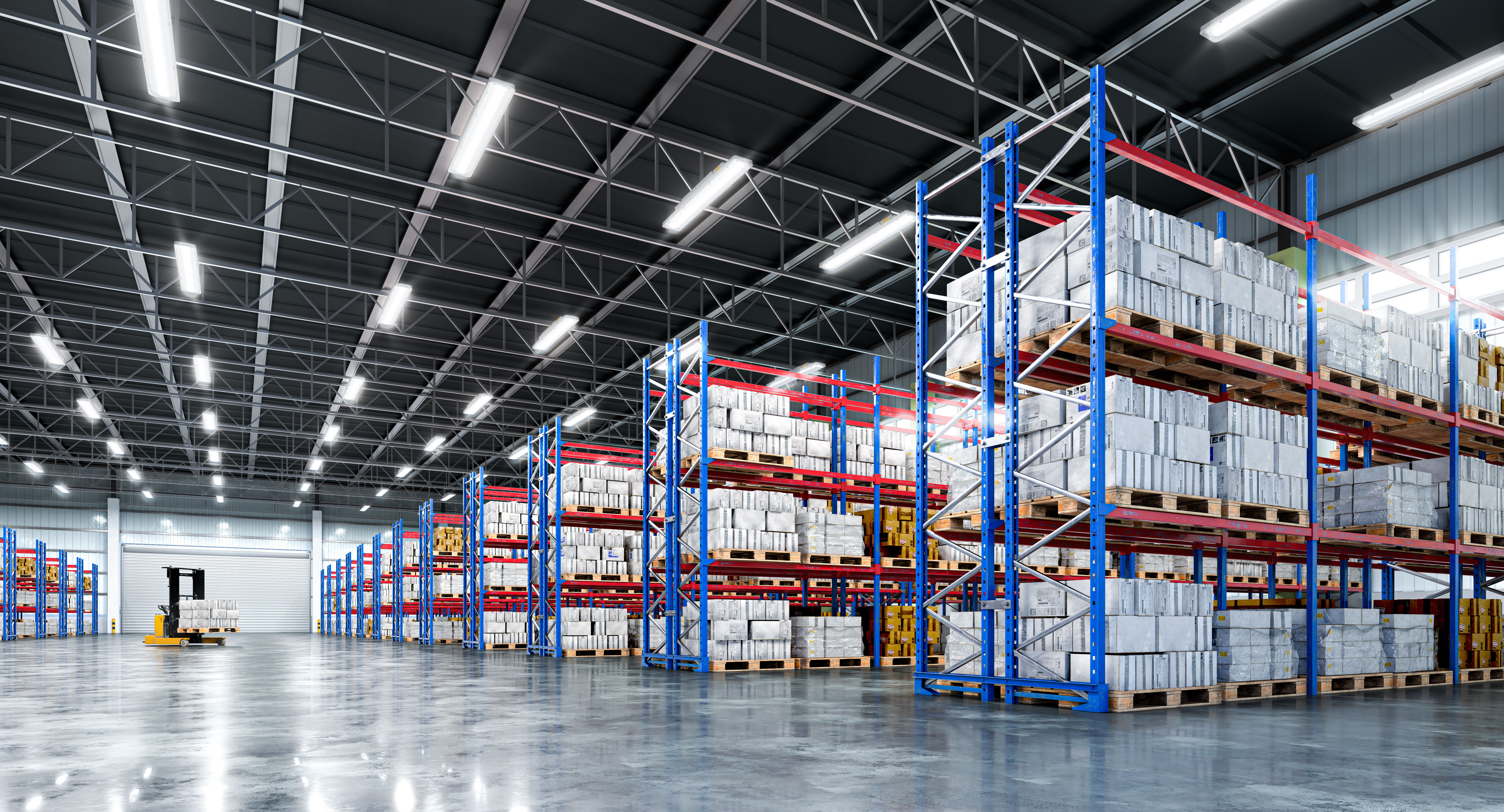
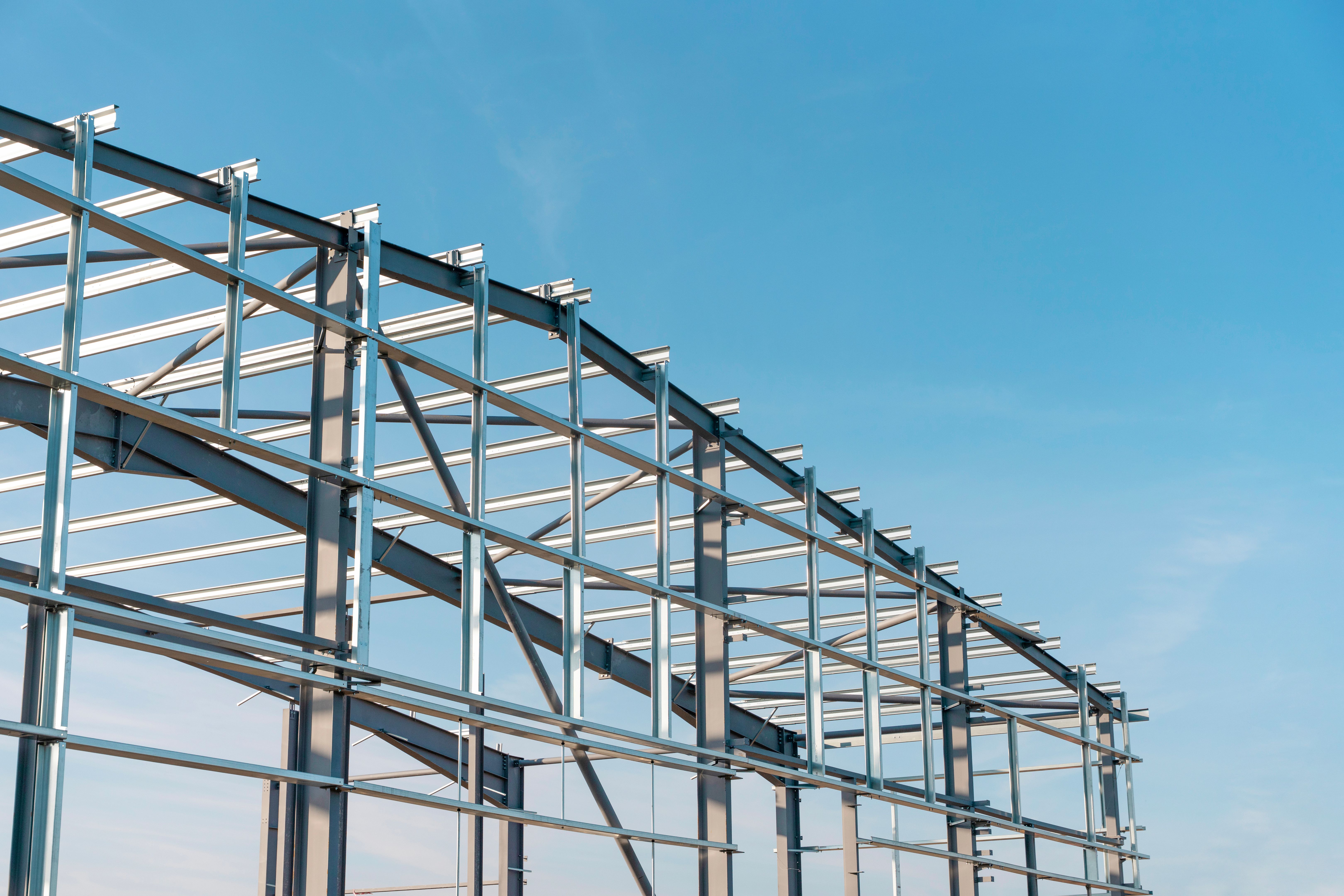
The design of an industrial warehouse affects its functionality and efficiency. Key considerations should include the layout, height, and materials used. A well-designed warehouse can improve operational workflows and increase storage capacity.
Incorporating Sustainability
With growing awareness of environmental impact, incorporating sustainable practices in the design and construction of warehouses is becoming increasingly important. This includes using energy-efficient materials, implementing renewable energy sources, and designing for natural light and ventilation.
Regulatory Compliance and Safety
Ensuring compliance with Australian building codes and safety regulations is critical. This includes fire safety measures, structural integrity, and accessibility standards. Regular inspections and maintenance are necessary to uphold safety standards and prevent costly penalties.
Fire Safety Measures
Fire safety is a top priority in industrial warehouses. Installing adequate fire suppression systems, such as sprinklers and alarms, and ensuring clear evacuation routes are vital components of a comprehensive safety plan.

Technology Integration
Integrating technology into warehouse operations can enhance efficiency and accuracy. Consider implementing automated systems such as inventory management software, robotics, and IoT devices to streamline processes and improve data accuracy.
Benefits of Automation
Automation can significantly reduce labor costs and increase operational efficiency. By using automated guided vehicles (AGVs) and robotic picking systems, warehouses can operate with greater speed and precision.
Conclusion
Building a successful industrial warehouse in Australia requires careful planning and consideration of various factors. By focusing on location, design, regulatory compliance, and technological integration, developers can create facilities that meet the demands of modern businesses and contribute to a sustainable future.