
Comparing Industrial Warehouse Construction Strategies: What Works Best?


Introduction to Warehouse Construction Strategies
In today's competitive industrial landscape, choosing the right construction strategy for your warehouse is crucial. With various approaches available, understanding what works best for your specific needs can significantly impact operational efficiency and cost-effectiveness. This article explores some of the leading strategies in industrial warehouse construction and highlights their key benefits.
From traditional builds to innovative modular designs, each construction method has its unique advantages and challenges. By comparing these strategies, businesses can make informed decisions that align with their long-term goals.
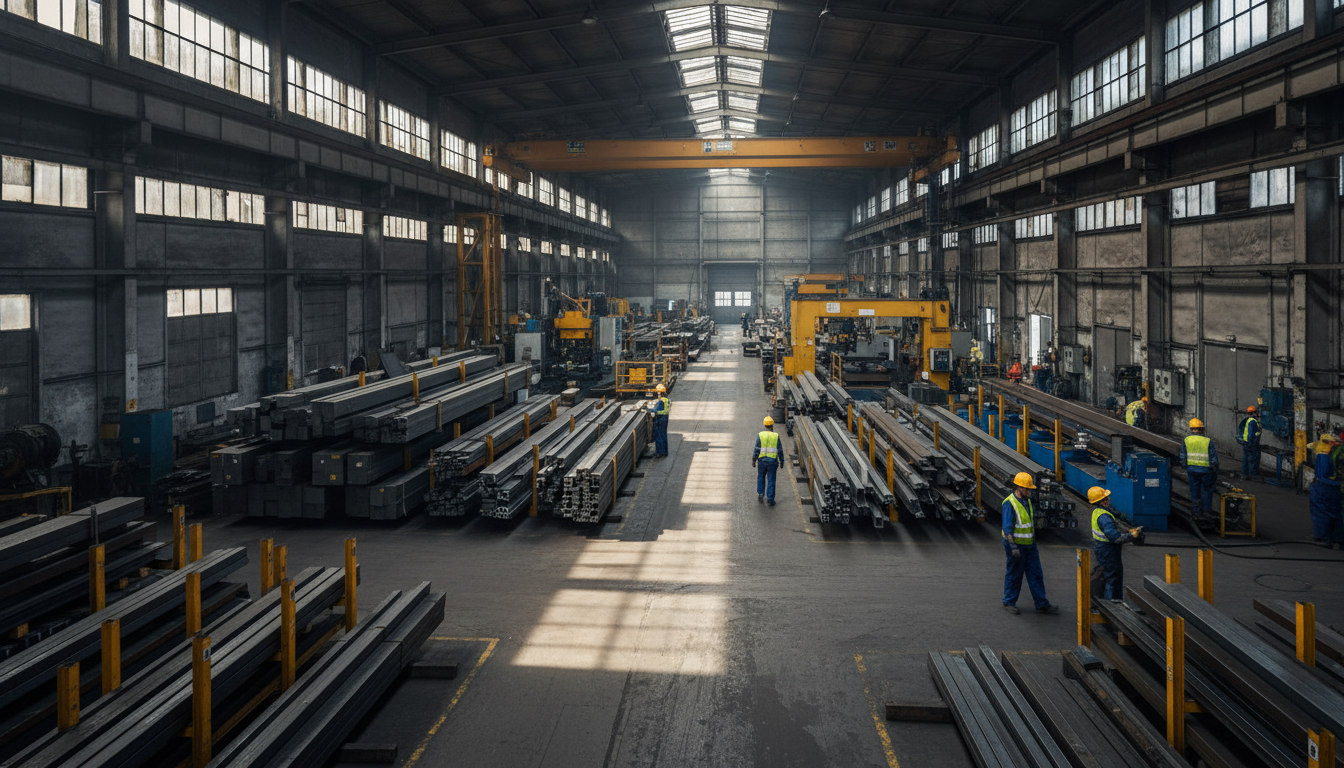
Traditional Warehouse Construction
Traditional warehouse construction involves conventional building techniques, utilizing materials like steel and concrete. This method is known for its durability and strength, making it a popular choice for long-term investments.
However, traditional construction can be time-consuming and costly. The process involves multiple phases, including design, permitting, and construction, often leading to extended timelines. Despite these challenges, the robustness of traditional builds can provide a significant return on investment.
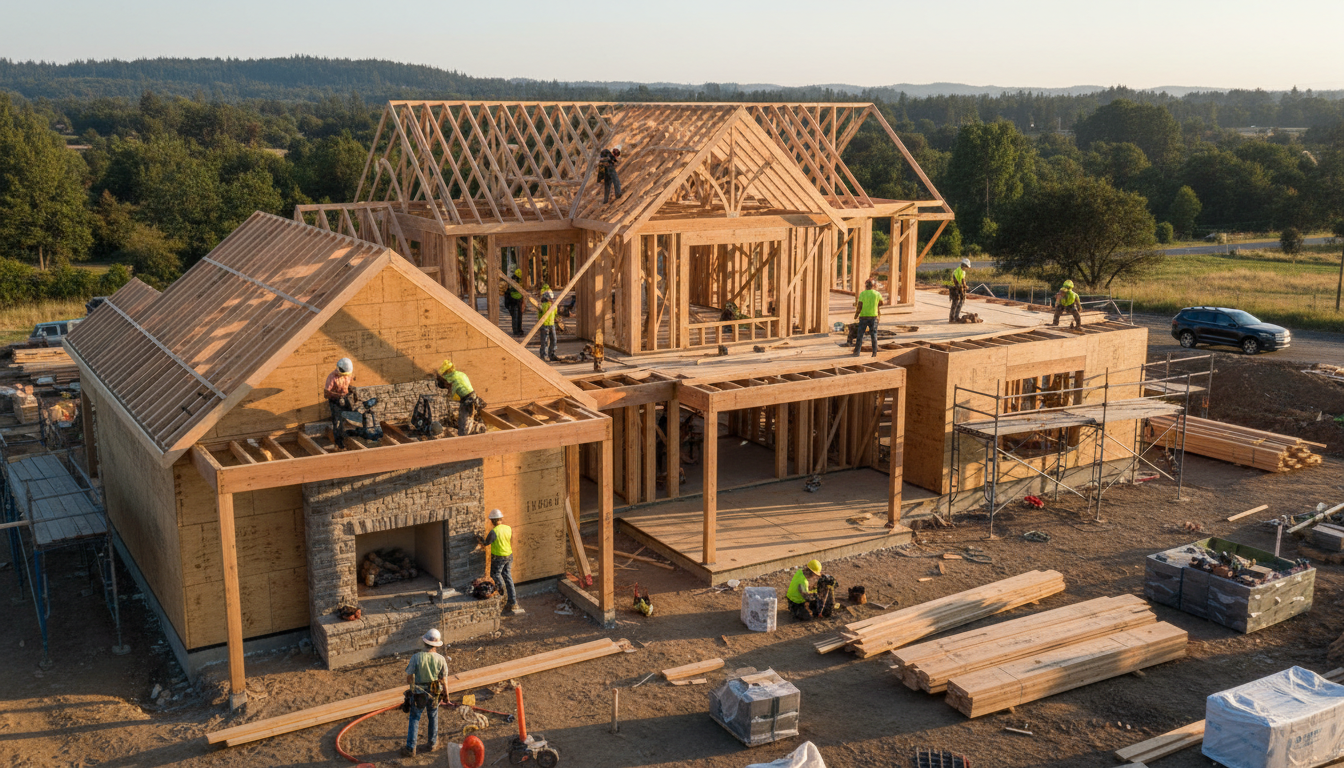
Advantages of Traditional Construction
- Durability: Built to last with strong materials.
- Customization: Highly customizable to meet specific needs.
- Resale Value: Potentially higher resale value due to longevity.
Modular Warehouse Construction
Modular construction has emerged as a popular alternative, offering flexibility and speed. This method involves prefabricating sections of the warehouse off-site, then assembling them on location. It significantly reduces construction time and labor costs.
While modular construction offers many advantages, it may not provide the same level of customization as traditional methods. However, its efficiency and sustainability make it an appealing option for businesses looking to minimize their environmental impact.
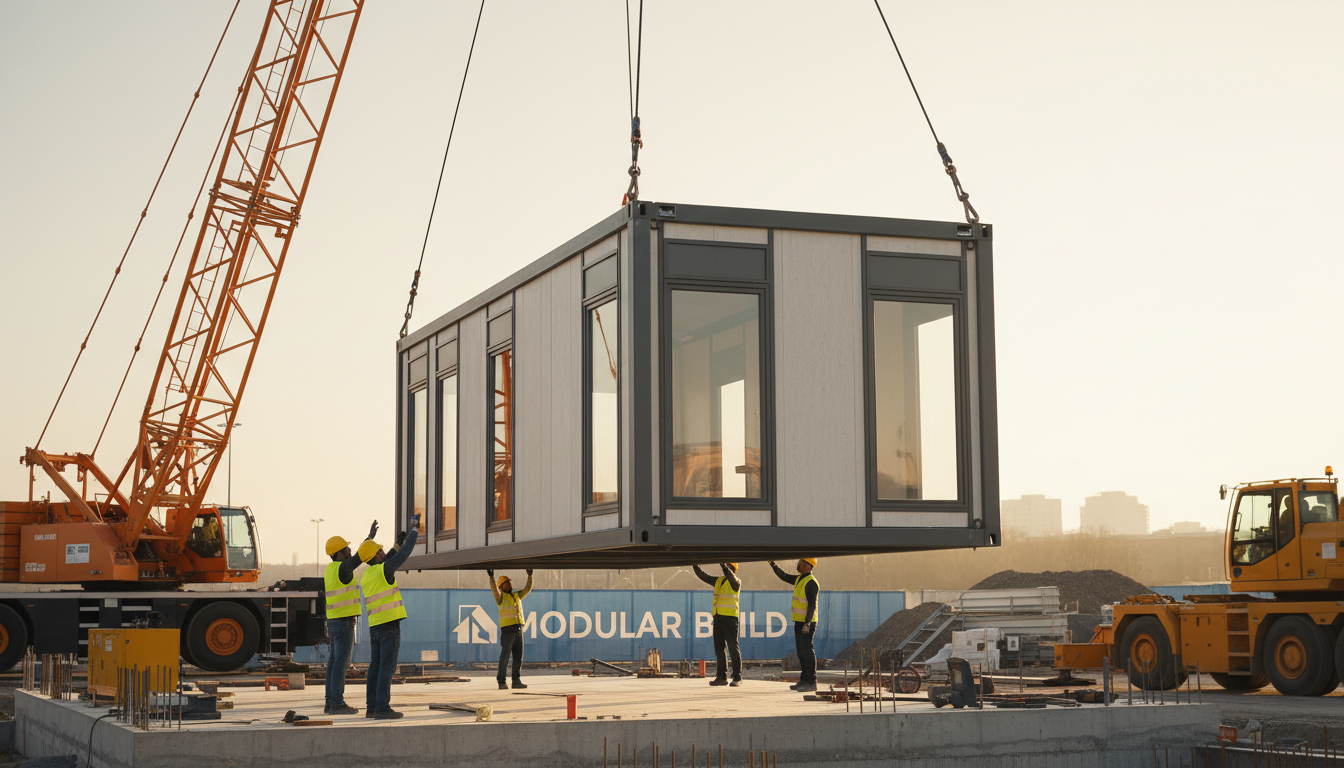
Benefits of Modular Construction
- Speed: Faster construction times.
- Cost-Effective: Reduces labor and material costs.
- Sustainability: Environmentally friendly with less waste.
Hybrid Construction Strategies
Hybrid strategies combine elements of both traditional and modular construction, offering a balanced approach. By integrating prefabricated modules with traditional building techniques, companies can enjoy the benefits of both methods.
Hybrid construction allows for greater flexibility and can be tailored to specific project requirements. This strategy is particularly useful when dealing with complex warehouse designs that require both quick assembly and detailed customization.
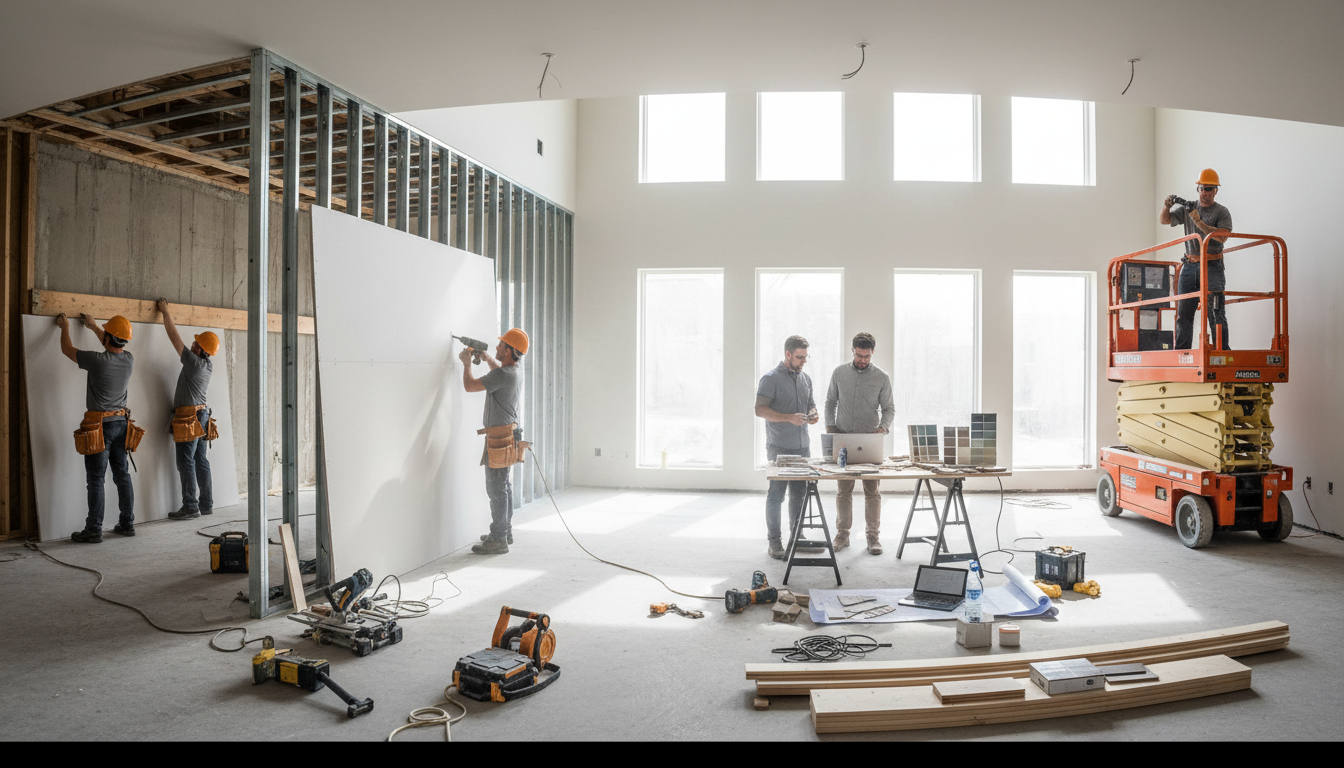
Considerations for Hybrid Construction
- Cost: Balancing cost between modular and traditional elements.
- Complexity: Managing the integration of different construction methods.
- Flexibility: Adapting design to changing needs.
Conclusion
Choosing the right warehouse construction strategy depends on various factors, including budget, timeline, and specific business needs. Traditional construction offers durability and customization, while modular construction provides speed and sustainability. Hybrid strategies offer a middle ground, combining the best of both worlds.
By carefully evaluating these strategies, businesses can select the most suitable method to enhance their operational efficiency and support long-term growth. Whether opting for traditional, modular, or hybrid construction, the key lies in aligning the strategy with your company's unique goals and requirements.