
Case Study: Successful Industrial Warehouse Projects in Australia


Introduction
Australia's industrial sector is booming, and with it, the need for efficient warehouse solutions is more critical than ever. This case study explores some of the most successful industrial warehouse projects across the country, highlighting key factors that contributed to their success.
Project Overview
The demand for warehouse space in Australia has been driven by various factors, including the rise of e-commerce and the need for improved logistics. Successful projects have been those that strategically address these demands while providing innovative solutions.
Design and Construction
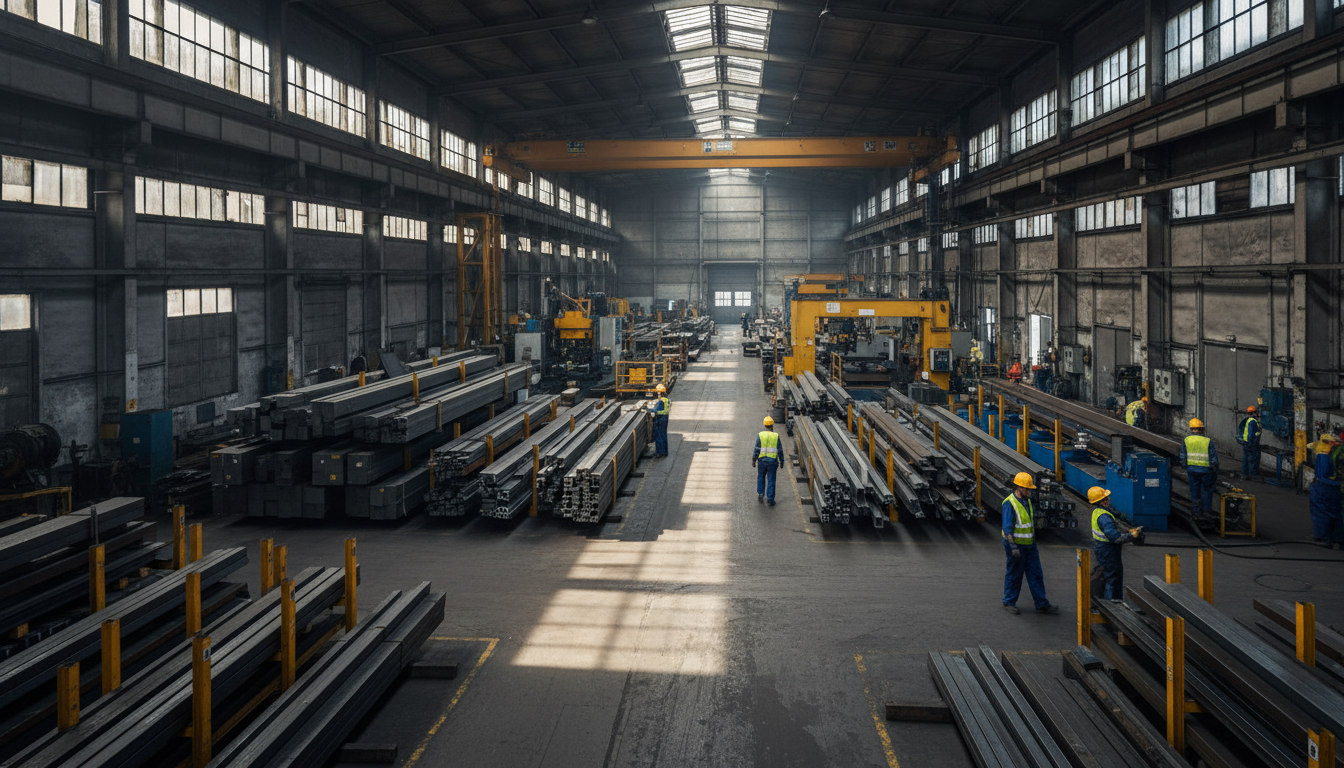
One of the standout features of successful projects is their innovative design and construction techniques. These warehouses often incorporate modern materials and technologies to enhance efficiency and sustainability. For instance, many projects have utilized energy-efficient lighting and climate control systems to reduce operational costs.
Moreover, the integration of automated systems has significantly improved the functionality of these warehouses. Technologies such as automated storage and retrieval systems (ASRS) enable faster processing and reduced labor costs, making operations smoother and more cost-effective.
Location and Accessibility
Another critical success factor is location. Ideally, warehouses are situated near major transport hubs or within industrial clusters to optimize logistics. Proximity to highways, ports, and railroads ensures faster distribution and easier access to markets.
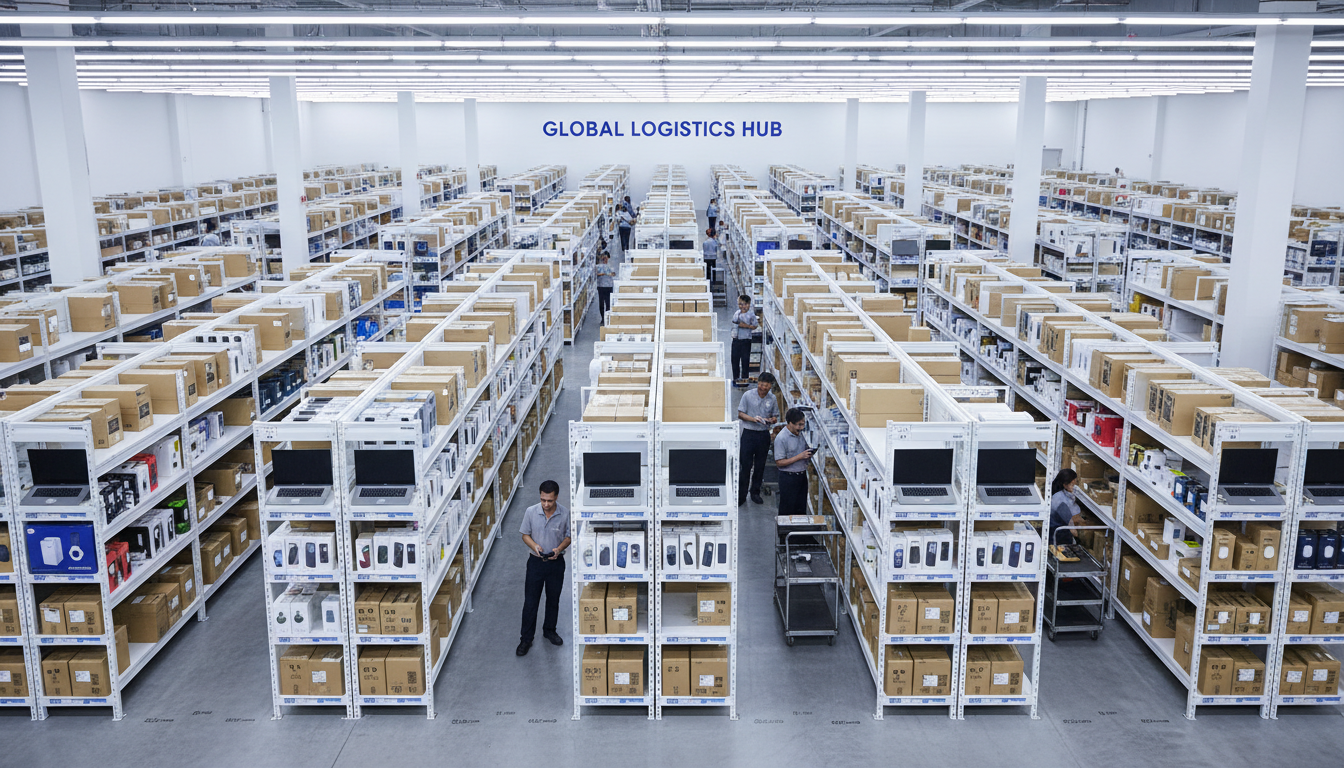
The strategic placement of warehouses not only enhances operational efficiency but also reduces transportation costs, leading to more competitive pricing and improved customer satisfaction.
Sustainability Initiatives
Environmental responsibility has become a central concern in the development of industrial warehouses. Many projects have embraced sustainable practices, such as incorporating solar panels, rainwater harvesting systems, and using recycled materials in construction. These initiatives not only help the environment but also appeal to eco-conscious clients and partners.
Case Studies
Several noteworthy projects exemplify these principles. For example, a warehouse in Sydney implemented a green roof and solar power system, reducing its carbon footprint by a significant margin. Another project in Melbourne focused on modular construction methods, allowing for future expansion with minimal environmental impact.
Conclusion
Successful industrial warehouse projects in Australia are marked by strategic location, innovative design, and a commitment to sustainability. By prioritizing these aspects, companies can create facilities that not only meet current demands but are also poised to adapt to future challenges. As the industry continues to evolve, these projects set the benchmark for excellence in warehouse development.
As we look forward, the insights gained from these case studies will undoubtedly guide future developments, ensuring that Australia's industrial sector remains robust and competitive on the global stage.