
A Comprehensive Guide to Construction Management for Industrial Warehouses


Understanding Construction Management
Construction management is a critical aspect of building industrial warehouses. It involves planning, coordinating, and overseeing the construction process from start to finish. This ensures that the project is completed on time, within budget, and to the required quality standards. Effective construction management can make a significant difference in the success of a warehouse project.
In the context of industrial warehouses, construction management must address unique challenges such as large-scale operations and specialized equipment. Therefore, a well-organized approach is essential to streamline these complex processes.
The Role of a Construction Manager
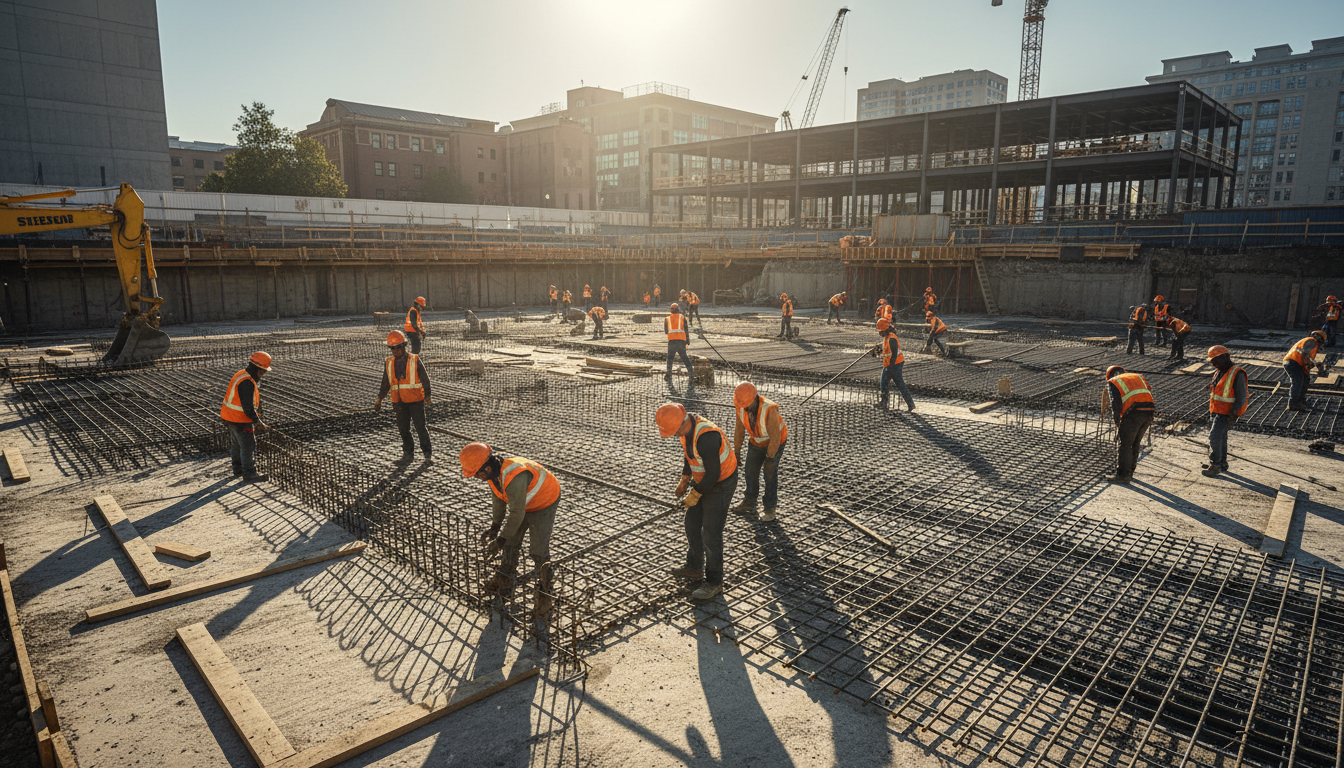
A construction manager plays a vital role in the successful completion of an industrial warehouse project. They are responsible for coordinating with architects, engineers, and subcontractors to ensure that all aspects of the construction align with the project objectives. Their duties include:
- Overseeing project planning and scheduling
- Managing budgets and resources
- Ensuring compliance with safety regulations
- Resolving any on-site issues promptly
By effectively managing these elements, construction managers contribute to the smooth execution of the project.
Key Phases in Construction Management
The construction management process for industrial warehouses typically involves several key phases. These phases guide the project from conception to completion:
- Pre-construction: This phase involves site analysis, design development, and securing necessary permits.
- Construction: The physical building of the warehouse, including foundation work, structural framing, and installation of systems.
- Post-construction: Final inspections, testing of systems, and handover to the client.
Challenges in Industrial Warehouse Construction
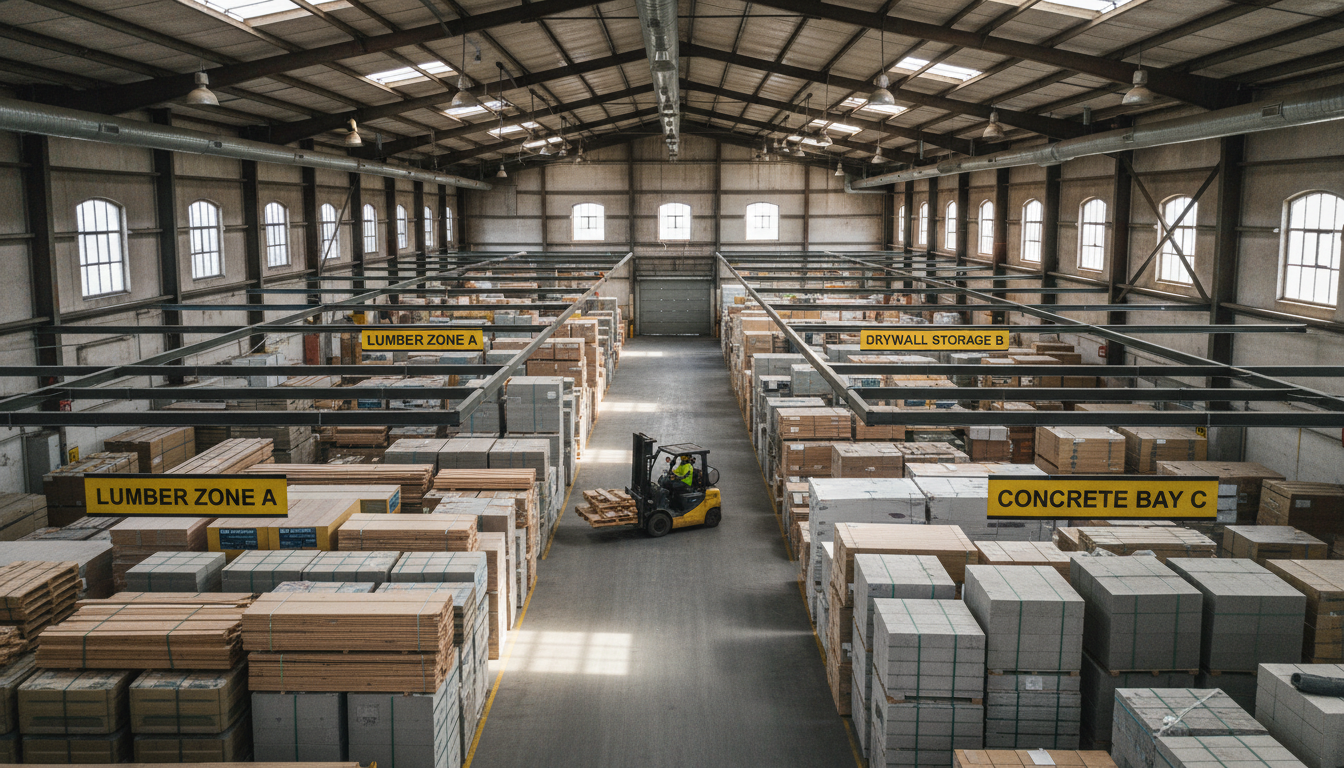
Building industrial warehouses presents a unique set of challenges. These include managing large-scale operations, coordinating with multiple contractors, and adhering to strict safety standards. Additionally, the need for specialized equipment and technology can add complexity to the project.
Addressing these challenges requires careful planning and a proactive approach to problem-solving. Construction managers must remain adaptable and resourceful to navigate unexpected issues.
Technological Advancements in Construction Management
Technology plays a crucial role in modern construction management. Tools such as Building Information Modeling (BIM) and project management software enhance efficiency and accuracy in planning and execution. These technologies provide real-time data and analytics, helping managers make informed decisions and improve collaboration among team members.

Embracing these technological advancements can lead to more successful and cost-effective warehouse construction projects.
Ensuring Quality and Safety
Quality and safety are paramount in the construction of industrial warehouses. Implementing rigorous quality control measures and adhering to safety regulations is essential to protect workers and ensure the durability of the structure. Regular inspections and audits can help maintain high standards throughout the construction process.
A strong focus on quality and safety not only enhances the reputation of the construction firm but also provides peace of mind to the client.
Conclusion
Construction management for industrial warehouses is a multifaceted process that requires expertise, careful planning, and effective execution. By understanding the roles, phases, challenges, and technological advancements involved, stakeholders can ensure the successful completion of their projects. With the right approach, construction managers can deliver high-quality warehouses that meet the needs of modern industries.